Tag: Politics

  • Explosion strikes Palestinian prime minister’s convoy in Gaza

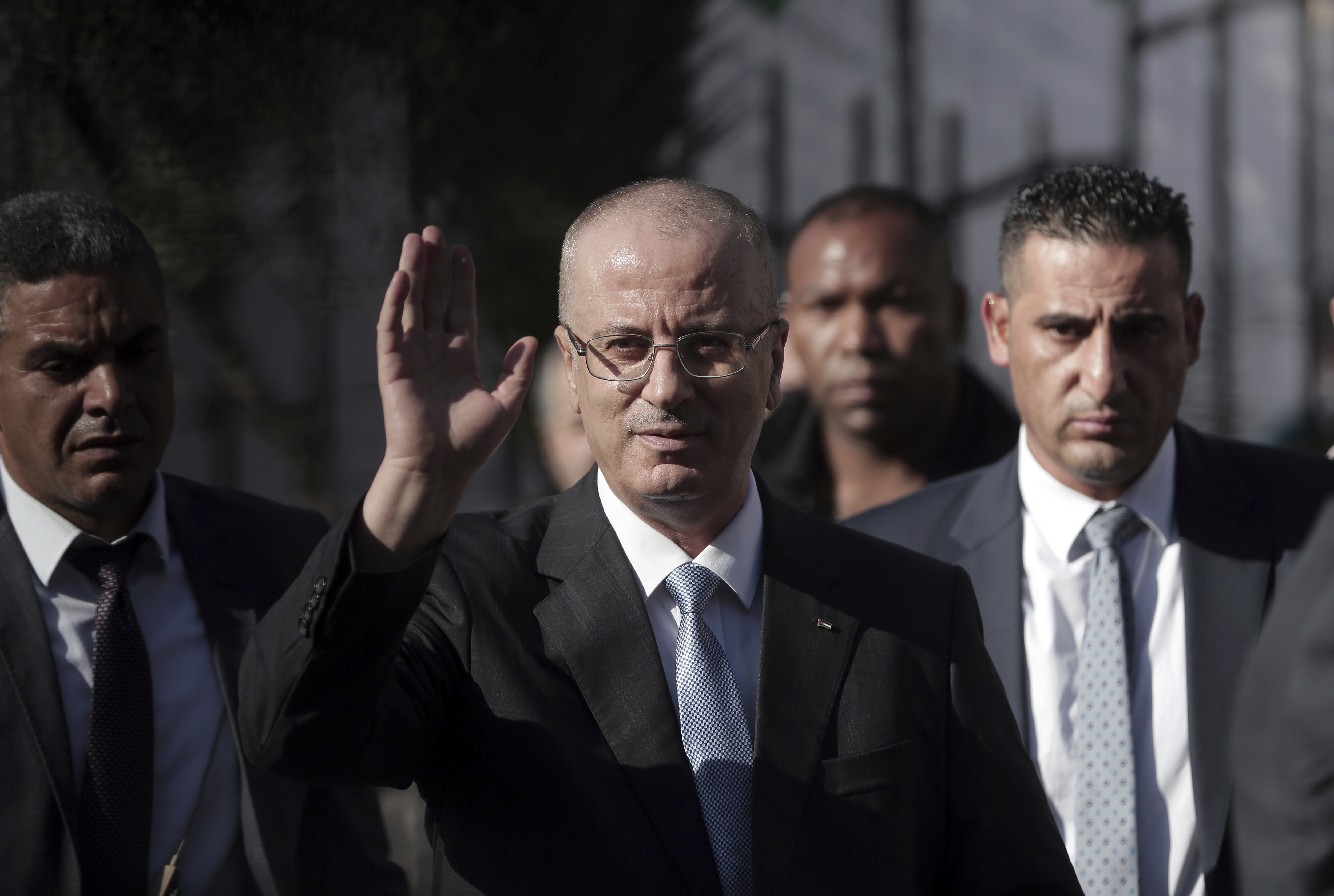
    An explosion struck the convoy of the Palestinian prime minister Tuesday as he was making a rare visit to Gaza, in what his Fatah party called an assassination attempt it blamed on Gaza militants.

    JABALIYA, Gaza Strip (AP) — An explosion struck the convoy of the Palestinian prime minister Tuesday as he was making a rare visit to Gaza, in what his Fatah party called an assassination attempt it blamed on Gaza militants.

    The explosion went off shortly after the convoy entered Gaza through the Erez crossing with Israel. Palestinian Prime Minister Rami Hamdallah was unharmed and went on to inaugurate a long-awaited sewage plant project in the northern part of the strip. But Fatah quickly held Gaza’s Islamic Hamas rulers responsible for the “cowardly attack” on the convoy, further escalating tensions between the bitter rival factions.

    Three of the vehicles in Hamdallah’s convoy were damaged, their windows blown out. One had signs of blood on the door.

    Hamas confirmed an explosion struck the convoy but said no injuries were reported. It condemned the Gaza explosion, calling it a crime and an attempt to “hurt efforts to achieve unity and reconciliation.” It promised an “urgent” investigation.

    While President Mahmoud Abbas blamed Hamas for the blast, his security chief Majed Farraj, who was in the convoy, said it was “too early” to say who was responsible.

    Hamdallah, who is based in the West Bank, arrived in Hamas-run Gaza to inaugurate the sewage plant and said there that the attack will “not deter from seeking to end the bitter split. We will still come to Gaza.”

    The rival factions have been trying to reconcile since 2007 when Hamas seized control of Gaza from Fatah forces and have suffered several setbacks in their efforts since. The takeover left the Palestinians with two rival governments, Hamas in Gaza and the Western-backed Palestinian Authority governing autonomous enclaves in the Israeli-occupied West Bank.

    In November, Hamas handed over control of Gaza’s border crossings to the Palestinian Authority. It was the first tangible concession in years of Egyptian-brokered reconciliation talks. But negotiations have bogged down since then.

    Hamdallah’s visit comes amid a time of crisis in Gaza, where the economy is devastated. The White House is hosting a gathering of international representatives Tuesday to discuss economic development and the dire humanitarian situation, which White House envoy Jason Greenblatt has blamed on Hamas‘ control.

    “The challenge will be determining which ideas can be realistically implemented in light of the fact that the Palestinians of Gaza continue to suffer under the authoritarian rule of Hamas,” he said in a statement.

    The plant in question was envisioned in 2007 after overburdened sewage reservoirs collapsed, killing five villagers.

    The World Bank, European Union and other European governments have paid nearly $75 million in funding. Hamas‘ takeover of Gaza from the Palestinian Authority in 2007 and the ensuing Israeli-Egyptian blockade, power shortages and conflicts delayed the opening of the project for four years.

    Besides the old reservoirs, the plant will receive wastewater from four towns and villages. After treatment, the water will be transferred for irrigation and the remainder will be safely dumped to the sea.

  • Elizabeth Warren fears Trump to be ‘taken advantage of’ by Kim Jong-un

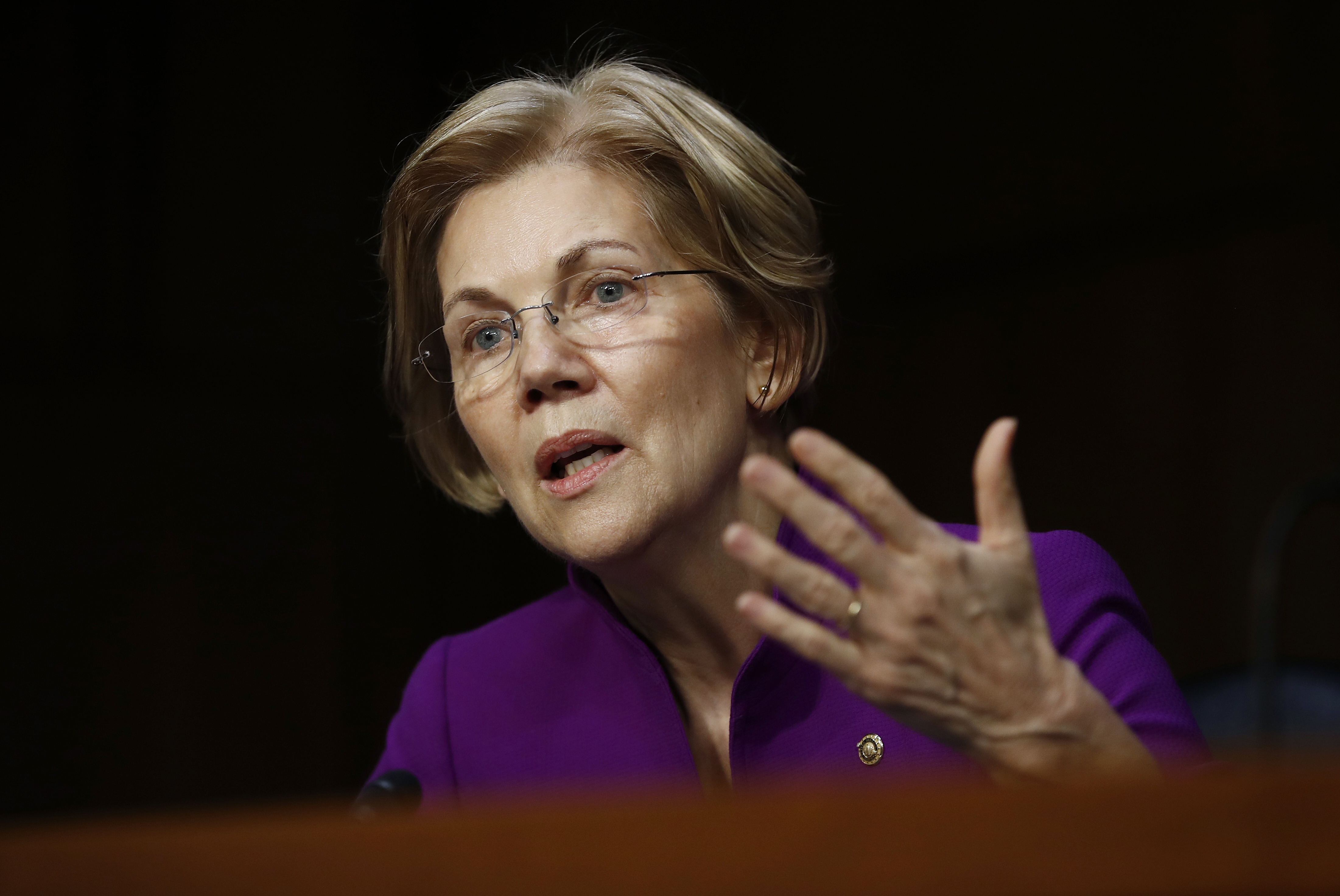
    Sen. Elizabeth Warren, Massachusetts Democrat, said she supported a “diplomatic approach” to North Korea but worried President Trump would be “taken advantage of” by Kim Jong-un.

    Senate Homeland Security Committee chairman Ron Johnson warned Sunday about being “snookered again” by North Korea after the White House agreed last week to denuclearization talks with leader Kim Jong-un.

    Citing previous deals that saw the United States give up more than it got, Mr. Johnson urged the administration to maintain its maximum-pressure policy on North Korea.

    “Again, you have that history. Let’s not be snookered again,” said Mr. Johnson on CNN’s “State of the Union.” “Let’s not be Charlie Brown to North Korea’s Lucy. We’ve seen this movie before; that’s why we’ve called on President Trump to make sure that we maintain the maximum-pressure campaign.”

    SEE ALSO: Elizabeth Warren: ‘I am not running for president’ in 2020

    The Wisconsin Republican added that, “If anything, I would continue to ratchet up sanctions until they again have complete, verifiable and irreversible denuclearization.”

    Sen. Elizabeth Warren, Massachusetts Democrat, said she supported the “diplomatic approach” but worried Mr. Trump would be “taken advantage of.”

    “Here’s what I’m concerned about: I want the president to succeed,” said Ms. Warren. “When the president succeeds in negotiations like this, the United States succeeds, it makes us safer, it makes whole world safer, but I am very worried he’s going to go into these negotiations and be taken advantage of.”

    .@SenWarren tells @Acosta she is “very glad” to see the Trump administration move towards diplomacy on North Korea#CNNSOTUhttps://t.co/yfyRAsNirk

    — State of the Union (@CNNSotu) March 11, 2018

    She cited concerns about staffing at the State Department, saying it had been “decimated.”

    “There are a lot of issues involved with them and our State Dept has just been decimated,” said Ms. Warren. “We don’t have an ambassador to South Korea. We don’t have an assistant secretary for the entire region. There are all kinds of spaces that are open at the State Department generally and particularly in this region, and that matters when you’re going into negotiations like this.”

    White House spokesman Raj Shah offered few details Sunday about the logistics of the summit, adding that “nothing’s been ruled out.”

    “It’s going to be a time and a place to be decided. We don’t have an announcement right now but we have accepted this offer and we hope that it can be part of an important breakthrough,” Mr. Shah told ABC’s “This Week.”

    Would Mr. Trump go to North Korea? “I don’t think that’s highly likely, but again, I’m not going to rule anything out,” Mr. Shah said.

    Could the meeting between Pres. Trump and North Korean leader Kim Jong Un take place at the White House? Deputy Press Sec. @RajShah45 tells @jonkarl: “Nothing’s being ruled out.” #ThisWeekpic.twitter.com/DafWPBZx5K

    — This Week (@ThisWeekABC) March 11, 2018

  • Trump says North Korea won’t test missiles before his meeting with Kim Jong Un

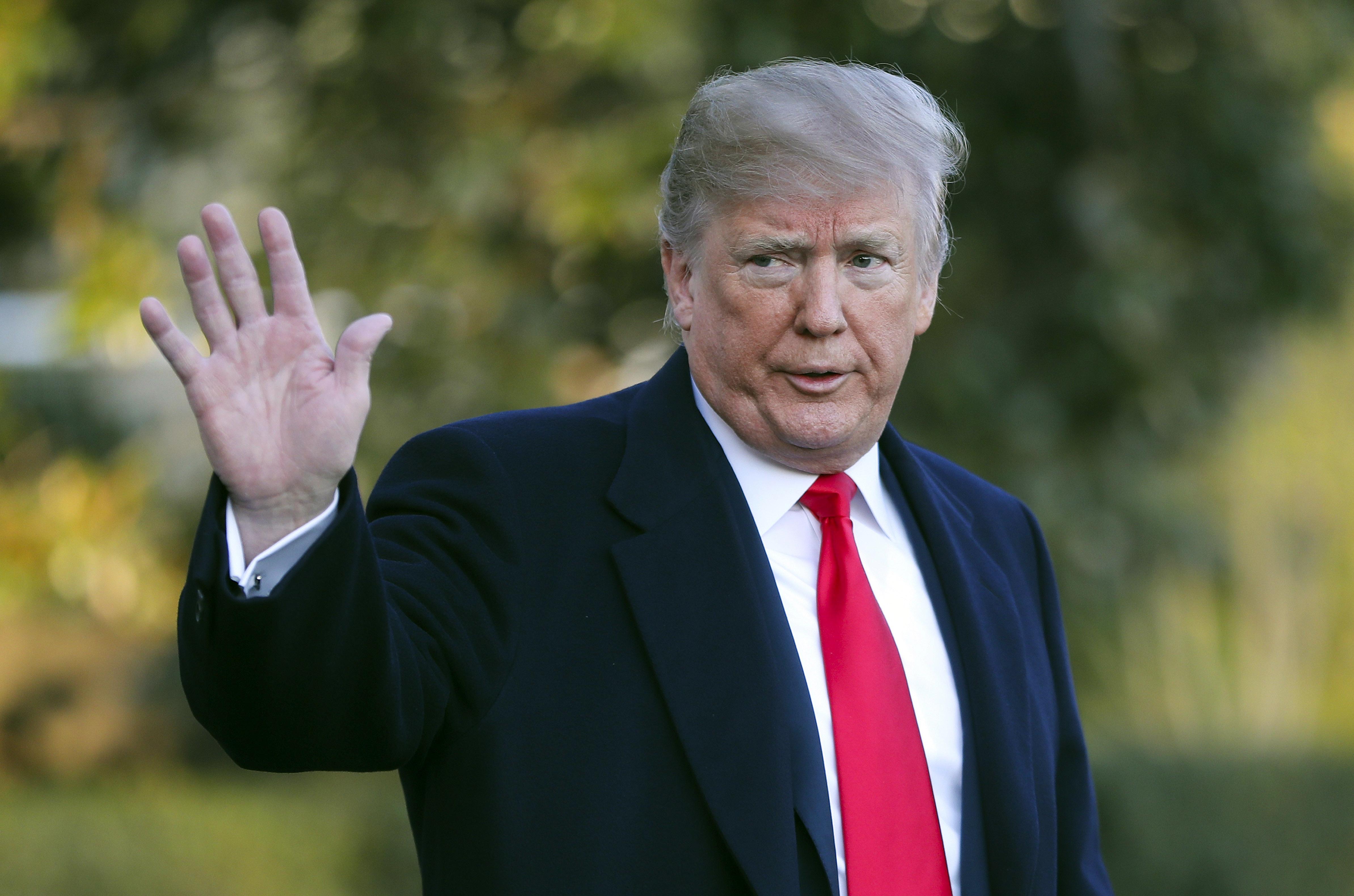
    President Trump said Saturday he’s counting on North Korea to refrain from any missile tests while he prepares for his first face-to-face meeting with North Korean leader Kim Jong-un.

    President Trump said Saturday he’s counting on North Korea to refrain from any missile tests while he prepares for his first face-to-face meeting with North Korean leader Kim Jong-un.

    Departing the White House for a campaign rally in Pennsylvania, Mr. Trump predicted “tremendous success” with his pending diplomacy in Asia.

    “I think North Korea is going to go very well,” the president told reporters. “I think this is going to be something very successful. We have a lot of support. The promise is they wouldn’t be shooting off missiles in the meantime, and they’re looking to de-nuke. So that’d be great.”

    Earlier, the president said on Twitter that he trusts Pyongyang to keep its commitments against provocation leading up to the talks.

    “North Korea has not conducted a Missile Test since November 28, 2017 and has promised not to do so through our meetings. I believe they will honor that commitment!” Mr. Trump tweeted.

    Pyongyang claimed after its most recent missile test in November that it has a new rocket capable of striking anywhere on the U.S. mainland, and declared itself a “complete” nuclear state.

    Earlier Saturday, Mr. Trump said that China’s president is pleased that Mr. Trump is pursuing diplomacy with North Korea instead of “the ominous alternative.”

    “Chinese President XI JINPING and I spoke at length about the meeting with KIM JONG UN of North Korea,” Mr. Trump tweeted about their phone call a day earlier. “President XI told me he appreciates that the U.S. is working to solve the problem diplomatically rather than going with the ominous alternative. China continues to be helpful!”

    Mr. Trump, who vowed last year to rain “fire and fury” on North Korea if it attacks the U.S., accepted an invitation from Mr. Kim to meet for talks within the next two months. The date and location haven’t been set.

    Chinese state media said Mr. Xi applauded the move by Mr. Trump as a “positive gesture.”

    “We hope that all relevant parties can make positive gestures and refrain from actions that prevent the situation on the Korean peninsula from calming down,” Mr. Xi was quoted as saying on state-run broadcaster CCTV.

    The White House said Friday that North Korea must demonstrate “concrete steps” toward denuclearization before the talks can go forward.

    China is North Korea’s most important trading partner. The president has been pushing Mr. Xi to exert more economic and diplomatic pressure on North Korea to scale back its nuclear weapons and ballistic missile programs.

    Mr. Trump also said that Japanese Prime Minister Shinzo Abe, with whom he spoke on Thursday, “is very enthusiastic about talks with North Korea.”

  • Aid delivered to Syria’s Ghouta amid renewed violence

    An aid convoy crossed into the embattled rebel-held suburbs of Damascus Friday, delivering desperately needed aid despite heavy fighting that broke out “extremely close” to the convoy and renewed airs

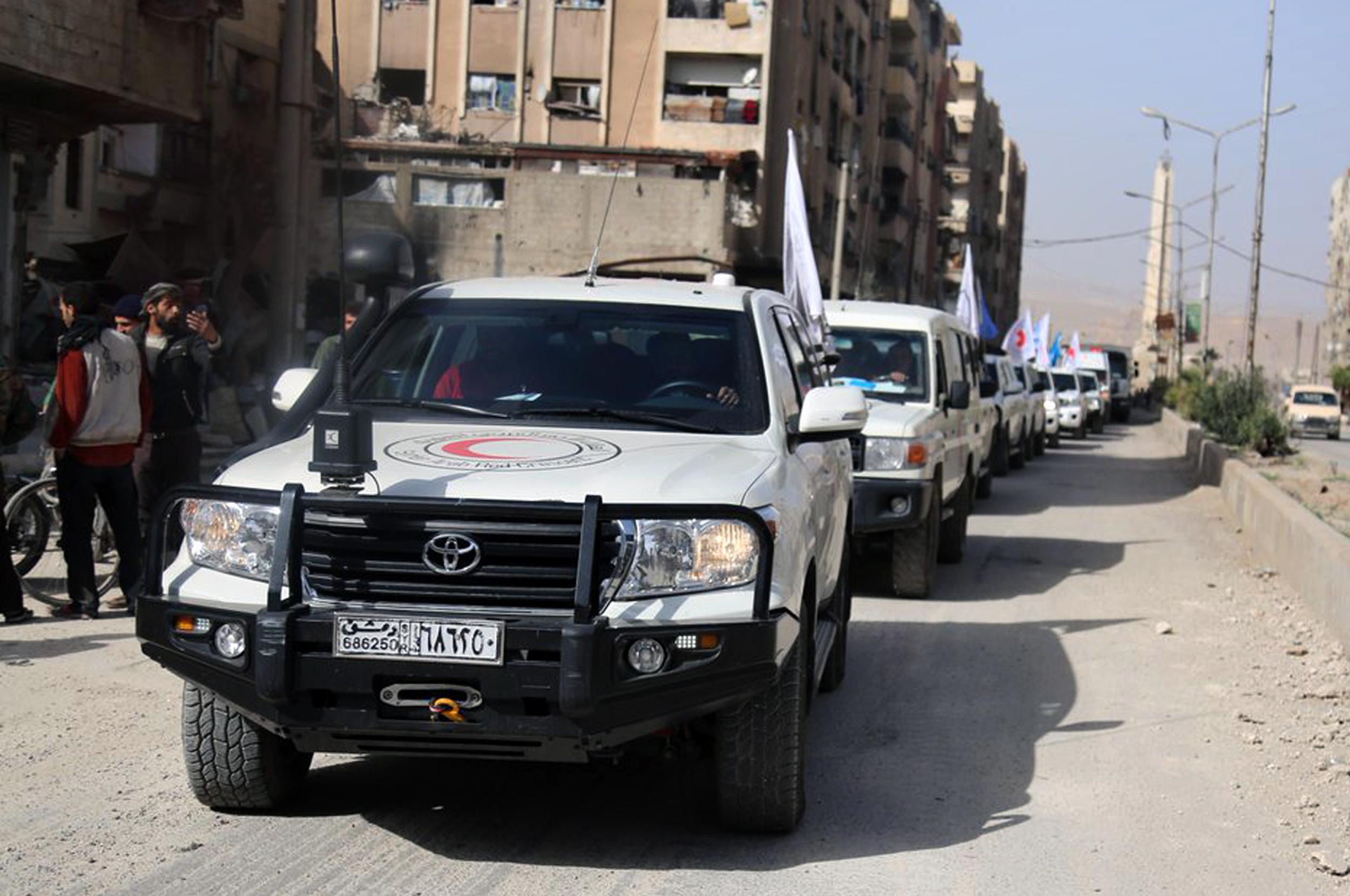
    BEIRUT (AP) — An aid convoy crossed into the embattled rebel-held suburbs of Damascus Friday, delivering desperately needed aid despite heavy fighting that broke out “extremely close” to the convoy and renewed airstrikes by the Syrian government.

    The International Committee of the Red Cross said the close-range fighting came despite security guarantees from the parties involved in the conflict that humanitarian aid could enter the town of Douma, in eastern Ghouta.

    “We were taken aback by the fighting that broke out despite guarantees from the parties involved in this conflict that humanitarians could enter Douma, in Eastern Ghouta,” said ICRC regional director Robert Mardini.

    “As more aid is needed in the coming days, it is absolutely critical that these assurances be renewed and respected in the future,” Mardini said. “Aid workers should not have to risk their lives to deliver assistance. The security of humanitarian workers, as well as that of civilians, must be guaranteed at all times.”

    ICRC said it delivered along with the U.N. and the Syrian Arab Red Crescent 2,400 food parcels that can sustain 12,000 people for one month, as well as 3,248 wheat flour bags.

    The delivery consists of supplies that were not offloaded during a mission to the enclave on Monday, which was cut short because of deteriorating security. The trucks had been stuck at the Wafideen crossing over the entire week, waiting to enter and deliver the remaining food parcels and flour bags.

    The ICRC said the aid was delivered in Douma — the largest and most populated town in the rebel-held eastern Ghouta, on the edge of the Syrian capital — earlier in the day. The convoy entered during a brief lull but the bombardment and fighting resumed after the convoy entered eastern Ghouta.

    Rami Abdurrahman, who heads the Britain-based Syrian Observatory for Human Rights, said Douma was shelled before the convoy went in. Once the relief workers arrived, Syrian government forces shelled the outskirts of the town, he said.

    Mohammed Alloush, the political chief of the Army of Islam rebel group, told The Associated Press that the as the convoy was inside Douma they were “being targeted by the regime although they have informed the Russians about their location.” Alloush’s group is the largest in eastern Ghouta and controls Douma.

    ICRC spokeswoman Ingy Sedky said aid workers went into eastern Ghouta “after getting security guarantees from all parties to make sure no incident will happen during the presence of our team” there.

    The attempt followed what opposition activists and the Observatory said was one of the quietest nights in eastern Ghouta since Syrian government forces escalated their assault on the rebellious region on Feb. 18.

    The government and its Russian backers, determined to wrest eastern Ghouta from rebel control after seven years of war, recently intensified the shelling and bombardment to clear the way for its troops to advance on the ground. Around 900 people have been killed in the past three weeks of relentless bombardment.

    Doctors Without Borders said Friday that between Feb. 18 and March 3 at least 1,005 people were killed and 4,829 wounded — or 71 killed and 344 wounded on average per day. The group known by its French acronym, MSF, said that the data was collected from 10 medical facilities that it fully supports and another 10 facilities it provides with emergency medical donations inside the eastern Ghouta enclave.

    “Two of these facilities have yet to submit data for March 3, so this is an underestimation,” MSF said. It added that 15 of the 20 hospitals and clinics that MSF supports have been hit by bombing or shelling, with varying degrees of damage.

    “The numbers alone speak volumes. But even more telling are the words we hear from the medics we are supporting on the ground,” said MSF Director General Meinie Nicolai. “Daily, we hear an increasing sense of hopelessness and despair, as our medical colleagues reach the limits of what a person can be expected to do.”

    Government forces this week advanced from the east and were less than a mile away from linking with forces on the western side of eastern Ghouta and cutting the rebel-held district in half.

    The military gains have caused wide-scale internal displacement as civilians flee government advances toward areas in the territory still held by the rebels.

    Nearly 400,000 people are believed to be inside eastern Ghouta. The most built-up and densely populated areas still under rebel control include the towns of Douma, Harasta, Jisreen, Kfar Batna, Saqba and Hammouriyeh.

    The Observatory reported airstrikes on Douma and Jisreen just before the 13-truck convoy arrived Friday, following an hourslong lull. It said the lull was result of local negotiations brokered by unnamed Damascus businessmen with the government to try and reach a solution that would secure the exit of fighters and civilians from eastern Ghouta.

    The Observatory and the opposition’s Syrian Civil Defense, also known as the White Helmets, reported that airstrikes and shelling resumed late Friday afternoon on eastern Ghouta. They said at least five people were killed in Friday’s bombardment of the town of Jisreen.

    The U.N. High Commissioner for Refugees, Filippo Grandi, said the United Nations has “failed spectacularly” when it comes to Syria.

    Speaking at a press conference in Beirut, he said people in eastern Ghouta are terrified.

    “They do not know anymore. Some say I want to stay, some say I want to go but both options have become dangerous, this is what makes me so anguished,” he said.

    State-run Syrian TV on Friday reported that “dozens of civilians” would likely get out of eastern Ghouta, in addition to 13 gunmen who had turned themselves in, via the Wafideen safe corridor designated by the government. The channel has been reporting since last week that rebels have prevented civilians from leaving.

    State TV later said that insurgents targeted the Wafideen corridor on Friday afternoon with bullets and mortar shells to prevent people from leaving.

    The Observatory, which monitors the Syria war through a network of activists on the ground, also reported that dozens of people from the town of Hammouriyeh in eastern Ghouta staged a demonstration, carrying Syrian government flags and calling for the end to the fighting in the area.

    There was no confirmation by any of the rebel groups based in eastern Ghouta of negotiations to leave eastern Ghouta.

  • U.S.-Russian clash in Syria merits a much closer look

    For all the hysteria about Russian collusion and President Trump being in Vladimir Putin’s pocket, you would be hard-pressed to find in the mainstream media the fact that the United States military ju

    ANALYSIS/OPINION:

    For all the hysteria about Russian collusion and President Trump being in Vladimir Putin’s pocket, you would be hard-pressed to find in the mainstream media the fact that the United States military just killed at least a hundred Russian mercenaries, possibly twice that number or more, with hundreds more wounded.

    I am speaking of course about the recent battle in Syria, where American air power decimated a ground force advancing on U.S. positions and U.S.-backed local Syrian allies.

    The media would rather froth at the mouth about Kellyanne Conway saying the wrong thing in a TV interview than a hot war between the two nations who could literally destroy the human race in a few minutes.

    Why does no one want to talk about this? The answer is obvious — the inevitable conclusions are just too horrifying to contemplate.

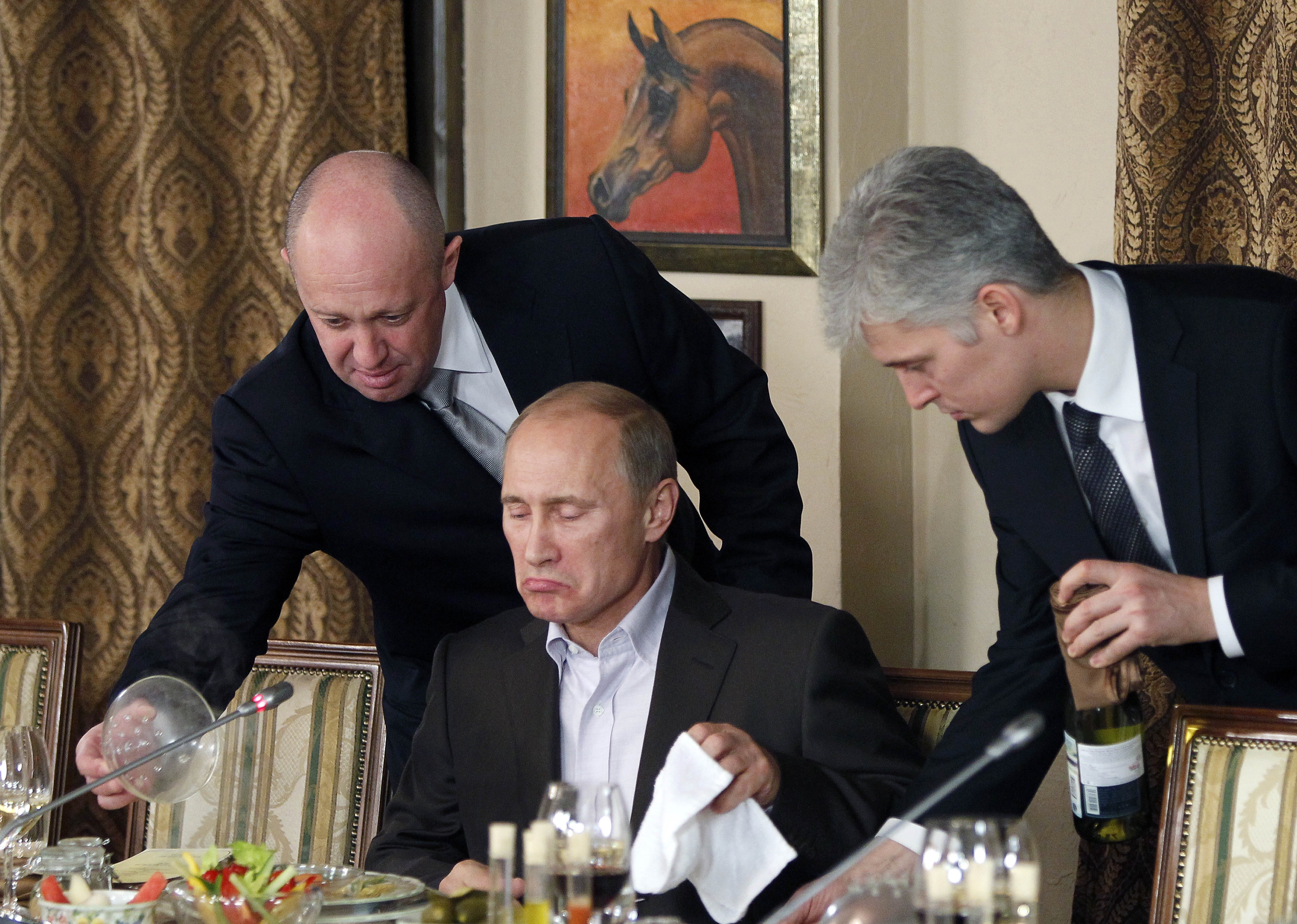
    The 30,000-foot narrative of the incident was that a Russia oligarch, affectionately nicknamed “Putin’s cook” because he literally served meals for the Russian president and then the Russian military for lucrative contracts, decided upon his own to ink a deal with Syrian President Bashar Assad to “take” some oil fields the regime had lost control of, and naturally, share the profits.

    This oligarch, Yevgeny Prigozhin, also runs a private mercenary force, called Wagner, which made lots of money in East Ukraine and has been involved in the Syrian conflict for some time, fighting for Mr. Assad and taking care of things Mr. Putin doesn’t want to use official Russian forces to handle.

    Once the necessary agreements were signed between Wagner and Syria (agreements the Kremlin was most assuredly aware of and maybe even approved), Mr. Prigozhin decided to send in a few companies of his private army to attack in the middle of the night.

    The American command center saw them coming and contacted the Russians, asking if they were sending forces into the American area. The Russians denied they had military operations near the U.S. positions. The result was a massive airstrike using close air support aircraft from Air Force Special Operations Command (AFSOC) and Army Apache gunships, among other assets. The results were devastating, as only an AC-130 can deliver.

    The reason no one wants to talk about the killings is obvious. First of all, American air power literally tore up the Russian mercenary force like a rototiller in a spring garden. It was just too easy. Of course there was no Russian air power or air defense systems to deal with, so it was not a fair fight. But the thought of hundreds of Russians being killed easily by American air power is something I’m sure the Kremlin doesn’t want to advertise.

    Second, the image of the two nations with the largest nuclear stockpiles literally fighting to the death is also a mental picture most national security professionals don’t really want to think about. The thought is just not pleasant.

    Finally, the suggestion that President Putin may have authorized Russian nationals to attack American special forces is also very disturbing. Perhaps Mr. Putin wanted to give the world the same “unpredictable” image that Mr. Trump has so carefully nurtured in the press. If he did, it backfired spectacularly. If you notice, it was only a few days after the Syria clash that Mr. Putin gave his now-famous “I’ve got invincible nuclear weapons” speech.

    Mr. Putin has said the West should not “forget” that Russia is a nuclear power. He has also made a conscious decision not to meet the West head to head with conventional forces, preferring to spend big bucks on modernizing his nuclear stockpile, including cruise missiles and underwater drones.

    The Syrian incident shows that probably was a wise decision. Nuclear forces have been shown to be Mr. Putin’s trump card, not massive conventional force.

    I’m sure the Chinese have been monitoring the situation as well.

    L. Todd Wood is a former special operations helicopter pilot and Wall Street debt trader, and has contributed to Fox Business, The Moscow Times, National Review, the New York Post and many other publications. He can be reached through his website, LToddWood.com.

  • Donald Trump to meet with Kim Jong-un in May

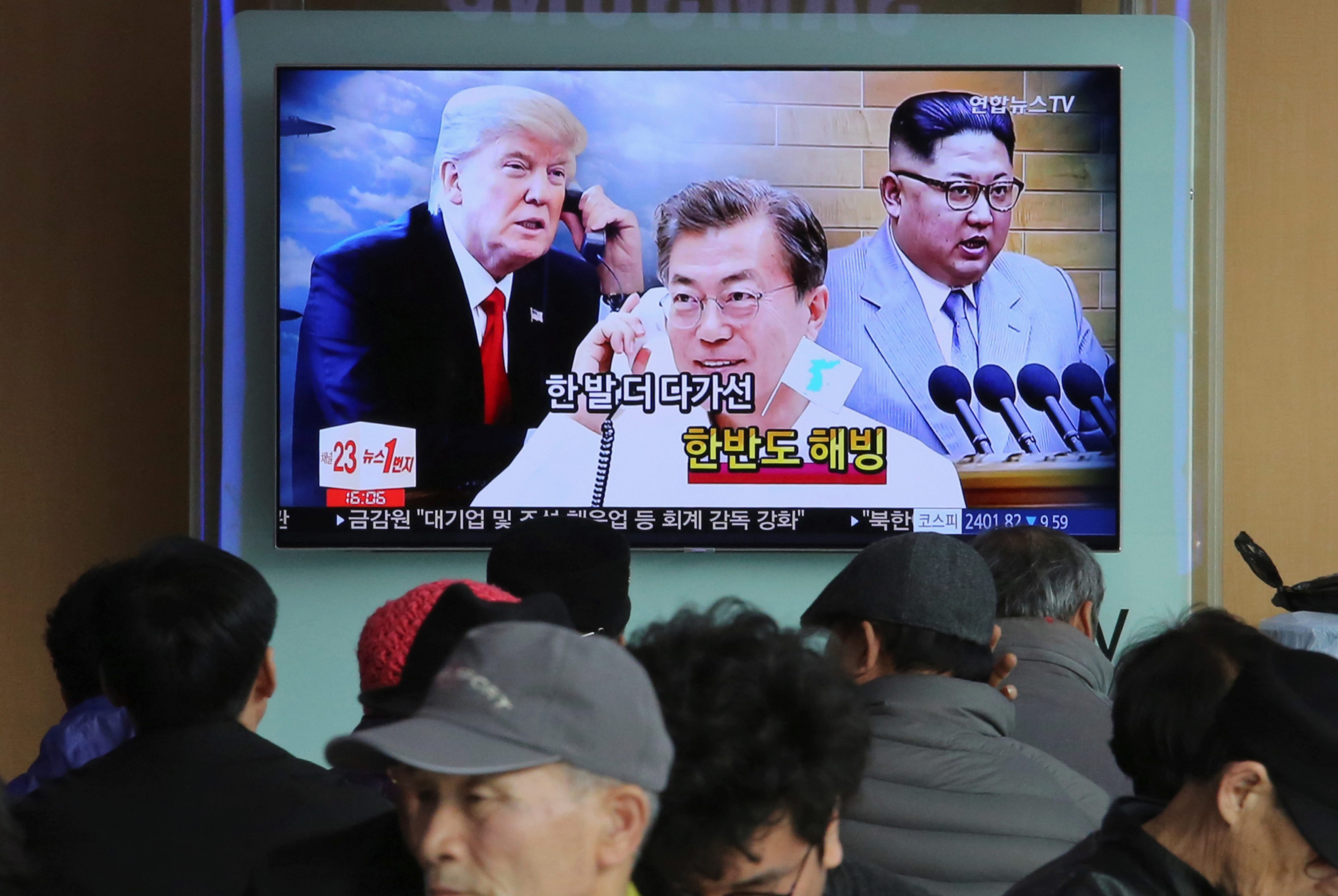
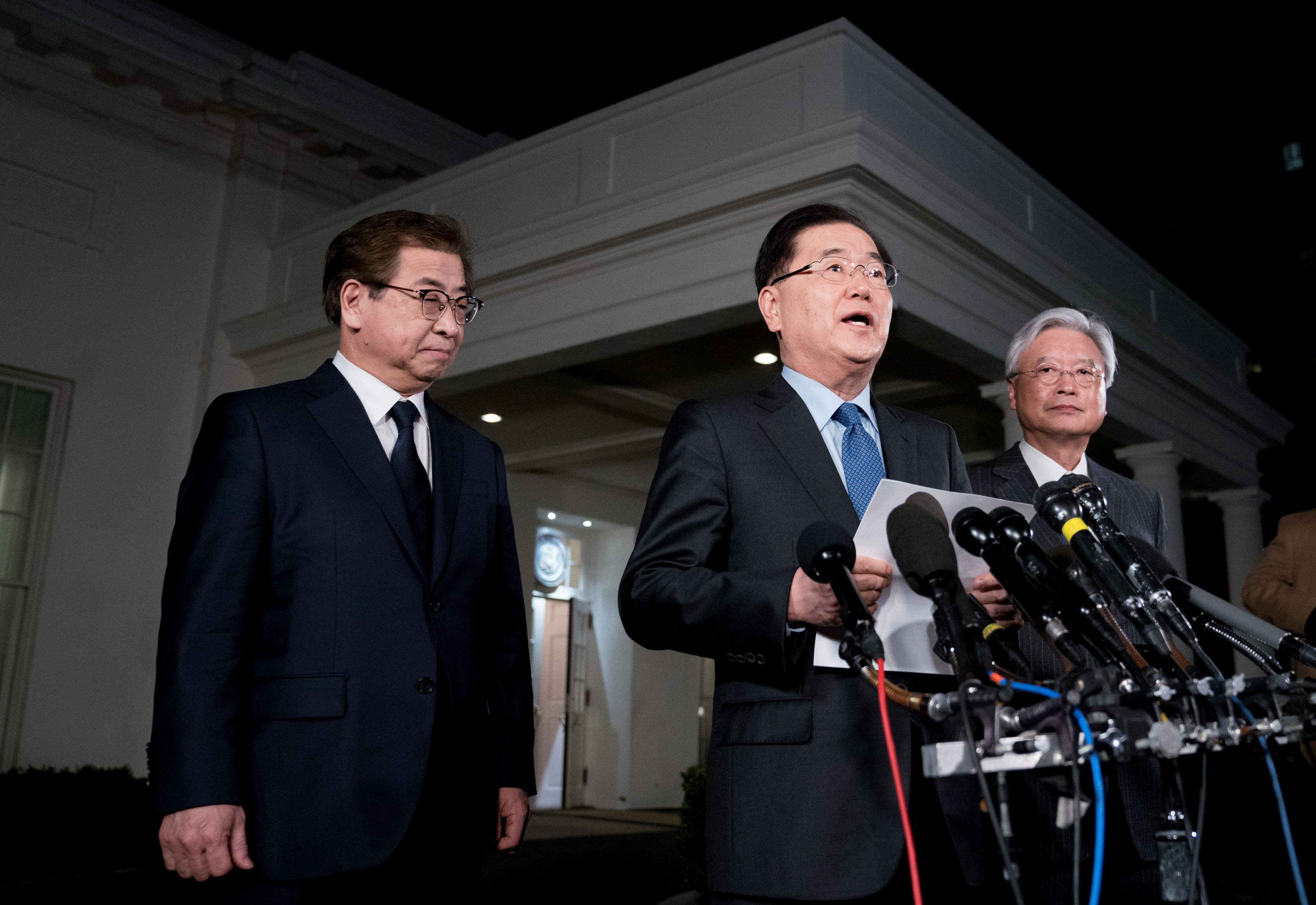
    President Trump has agreed to meet with North Korean leader Kim Jong-un by May for historic talks on denuclearization, a senior South Korean official announced Thursday night.

    President Trump has agreed to meet with North Korean leader Kim Jong-un by May for historic talks on denuclearization, a senior South Korean official announced Thursday night.

    South Korean National Security Adviser Chung Eui-yong told reporters at the White House that Mr. Kim conveyed the invitation for a meeting with Mr. Trump after breakthrough talks this week between the North and South in Pyongyang.

    Mr. Trump called the development “great progress” but vowed that the U.S. would not lift sanctions on North Korea while diplomacy is under way.

    Mr. Chung said the North Korean leader “expressed his eagerness to meet President Trump as soon as possible.”

    South Korean President Moon Jae-in already had been scheduled to meet with the North Korean leader at a summit in April at the Demilitarized Zone between the two Koreas. Mr. Chung is part of a South Korean delegation visiting Washington following the talks this week in Pyongyang.

    Mr. Chung said the North Korean leader is “committed to denuclearization” and that he pledged to refrain from any further nuclear weapons or ballistic missile tests. He said Mr. Kim also has accepted that the U.S. and South Korea will proceed with “routine” military exercises scheduled for next month.

    “I explained to President Trump that his leadership and his maximum pressure policy, together with international solidarity, brought us to this juncture,” Mr. Chung said, adding that he expressed Mr. Moon’s “personal gratitude” for Mr. Trump’s leadership on confronting Pyongyang.

    Mr. Trump tweeted Thursday night about the sudden announcement: “Kim Jong Un talked about denuclearization with the South Korean Representatives, not just a freeze. Also, no missile testing by North Korea during this period of time. Great progress being made but sanctions will remain until an agreement is reached. Meeting being planned!”

    There has never been a face-to-face meeting between the leaders of the U.S. and North Korea. A senior administration official said Mr. Kim conveyed the message by word of mouth through the South Koreans that he wants to meet with Mr. Trump “as quickly as possible.”

    The South Korean officials briefed Mr. Trump in the Oval Office on Thursday, with National Security Adviser H.R. McMaster, Defense Secretary James Mattis, White House Chief of Staff John F. Kelly and other U.S. officials present.

    The official said Mr. Trump agreed to meet with Mr. Kim “in a matter of a couple of months.”

    While the U.S. has often made concessions to North Korea in return for lower-level talks, the official said that keeping sanctions in place “is what differentiates the president’s policy from the policies of the past.”

    “President Trump has been very clear from the beginning that he is not prepared to reward North Korea in exchange for talks,” the aide said.

    White House press secretary Sarah Huckabee Sanders confirmed that Mr. Trump will meet with Mr. Kim “at a place and time to be determined.”

    “We look forward to the denuclearization of North Korea. In the meantime, all sanctions and maximum pressure must remain,” she said.

    Mrs. Sanders said the president “greatly appreciates the nice words of the South Korean delegation and President Moon.”

    Mr. McMaster is to brief U.N. Security Council envoys on North Korea on Monday, Reuters reported.

    As the prospect of direct Trump-Kim talks has risen, analysts and U.S. intelligence officials have noted that the North Korean dictator, in his mid-30s, has had hardly any interactions with high-profile Americans. The exception is multiple meetings in recent years with former basketball star Dennis Rodman.

    It’s a factor that has made it hard for U.S. intelligence to predict how Mr. Kim might behave in a meeting with Mr. Trump and created a challenge for officials tasked with briefing the president on what to expect.

    Some analysts warned Thursday night that the risks remain incredibly high that hopes for diplomacy could fizzle on both the U.S. and North Korean side.

    “We’d expect such an unprecedented meeting to happen after some concrete deliverables were in hand, not before,” said Suzanne DiMaggio, a senior fellow with the New America think tank in Washington.

    While Ms. DiMaggio said that if the developments evolve into “a process for serious, sustained negotiations,” then Mr. Trump’s willingness to embrace North Korea’s reported offer will turn out to be a “positive move.”

    “But it will have to be managed very carefully with a great deal of preparatory work,” she told The Times on Thursday night. “Otherwise, it runs the risk of being more spectacle than substance. Right now, Kim Jong-un is setting the agenda and the pace, and the Trump administration is reacting.”

    “The administration needs to move quickly to change this dynamic,” Ms. DiMaggio said.

    Analysts have also warned that there has yet to be an official offer for talks directly from the Kim regime — that all of the latest news developments on the situation have come through the South Korean government.

    As of early Friday, Korean time, the North’s official Korean Central News Agency had not mentioned the events in Washington.

    “There seems to be no direct message from North Korea to the U.S. government,” Michael Pillsbury, a Mandarin-speaking Pentagon consultant and head of Chinese strategy at the Hudson Institute in Washington, noted on Wednesday.

    “This is all being filtered through the South Korean government,” said Mr. Pillsbury, adding that Chinese officials, who are generally regarded to be far more in touch than anyone else with goings-on in Pyongyang, have also been unsure about the South Korean claims of Mr. Kim’s eagerness to talk with Mr. Trump.

    The Chinese government has yet to make an official statement on the situation, and the de facto newspaper of the ruling Communist Party in Beijing went so far as to question whether Mr. Kim’s offer to Mr. Trump really happened.

    “North Korea still has not confirmed the South’s version of events,” stated an editorial in the Global Times, which also pointed out that Pyongyang’s official state newspaper, the Rodong Sinmun, had asserted in its editorial that the Kim regime plans to proceed with the “advance” of the nation’s “nuclear weaponry.”

    Earlier Thursday, Secretary of State Rex W. Tillerson played down hopes for a breakthrough on North Korea’s nuclear program, saying the U.S. is a long way from negotiations after the country’s leader offered to give up his weapons in exchange for security guarantees.

    “We’re a long way from negotiations; we just need to be very clear-eyed and realistic about it,” Mr. Tillerson said during a stop in Addis Ababa, Ethiopia.

    Mr. Moon’s office said Tuesday that the North had expressed a “willingness to hold a heartfelt dialogue with the United States on the issues of denuclearization” and “made it clear that while dialogue is continuing, it will not attempt any strategic provocations, such as nuclear and ballistic missile tests.”

    China barely reacted to word of a possible thawing of relations.

    U.S. officials believe that sanctions against North Korea are beginning to sting the communist country, which has staged multiple nuclear and ballistic missile tests in violation of U.N. Security Council resolutions.

    Administration officials also have repeatedly pointed out that Mr. Kim has gone through the motions of talks with the U.S. previously, all the while continuing to refine his weapons programs.

    Rep. Edward R. Royce, California Republican and House Foreign Affairs Committee chairman, said Mr. Kim’s desire for talks “shows sanctions the administration has implemented are starting to work.”

    “We can pursue more diplomacy as we keep applying pressure ounce by ounce,” Mr. Royce said. “Remember, North Korean regimes have repeatedly used talks and empty promises to extract concessions and buy time. North Korea uses this to advance its nuclear and missile programs. We’ve got to break this cycle.”

    Part of what made the announcement so unexpected is that from the start of his presidency, Mr. Trump has determined to take a more aggressive approach to North Korea than his predecessors.

    He has taunted Mr. Kim on Twitter as “Little Rocket Man” and vowed last year that Pyongyang would be met with “fire and fury” if Mr. Kim followed through on threats to attack the U.S. mainland or its territories. Mr. Trump also has pressed China to adhere to harsh economic sanctions.

    That history prompted one key Democrat to warn the U.S. president about diplomacy by Twitter.

    Mr. Trump needs to “abandon his penchant for unscripted remarks and bombastic rhetoric to avoid derailing this significant opportunity for progress,” said Sen. Edward J. Markey of Massachusetts, the top Democrat on the East Asia panel of the Senate Foreign Relations Committee.

    “And if the talks between the two leaders do not go well, it is not an excuse to justify military action for a situation that has no military solution,” Mr. Markey said.

    Retired Rear Adm. John Kirby, who was a spokesman for the Pentagon and State Department in the Obama administration, said on CNN. “It certainly does feel like a different moment.”

    He said Mr. Trump deserves credit for the announcement, though he also cited Seoul, saying Mr. Moon may be the most eager South Korean leader ever to produce a breakthrough with the North.

    Kevin Martin, president of Peace Action, said Mr. Kim’s reported commitment not to test nuclear weapons or ballistic missiles during diplomacy “is excellent news, as is President Trump accepting Kim’s invitation to meet in person for the first time.”

    “North Korea is putting virtually all topics of concerns on the table,” Mr. Martin said. “Trump now has the opportunity to achieve what no president has been able to achieve in seven decades of U.S.-North Korea relations: make real strides towards lasting peace on the Korean Peninsula.”

    • Guy Taylor contributed to this article.
  • China tries to gauge North Korea nuclear offer

    President Trump praised China for helping drive North Korean leader Kim Jong Un’s toward potential denuclearization talks with Washington, but a cautious Beijing has barely even reacted to reports thi

    President Trump praised China for helping drive North Korean leader Kim Jong Un’s toward potential denuclearization talks with Washington, but a cautious Beijing has barely even reacted to reports this week that Mr. Kim is offering to halt all nuclear and missile tests while such negotiations play out.

    Despite its status as the North’s ally and main link to the outside world, the Chinese government has not made an official statement on the claim by South Korean officials that Mr. Kim made the offer during talks with them this week, and the newspaper of the ruling Communist party even questioned whether the offer really happened.

    “North Korea still has not confirmed the South’s version of events,” stated an editorial in the Global Times, noting that Pyongyang’s own official state newspaper, the Rodong Sinmun, had said Pyongyang’s actual plan is to proceed with the “advance” of the nation’s “nuclear weaponry.”

    U.S. officials said the editorials underscored ongoing “puzzlement” inside the White House over the true nature of the offer South Korean officials claim Mr. Kim made with regard to missile and nuclear tests.

    South Korean President Moon Jae-in’s office said in a statement Tuesday the North in direct talks had expressed a “willingness to hold a heartfelt dialogue with the United States on the issues of denuclearization” and “made it clear that while dialogue is continuing, it will not attempt any strategic provocations, such as nuclear and ballistic missile tests.”

    But Mr. Moon on Wednesday tried to tamp down expectations for the detente and ease fears that the talks could separate Seoul from Washington and other allies urging a hard line on the North’s nuclear and missile programs. He noted many of the sanctions of the North were imposed by the U.S. or through the United Nations, and would only be eased by “substantive progress” on denuclearization.

    “These international efforts cannot be loosened by inter-Korean dialogue,” Mr. Moon told a meeting of South Korean party leaders in Seoul. “We don’t aim for that to happen and it’s also impossible.”

    The issue, according to Michael Pillsbury, a Mandarin-speaking Pentagon consultant and head of Chinese strategy at the Hudson Institute in Washington, is that “that there seems to be no direct message from North Korea to the U.S. government.”

    “This is all being filtered through the South Korean government,” Mr. Pillsbury said, adding that Chinese officials, who are generally regarded as having better sources on the inner workings of the Pyongyang regime, are still unsure about what is on the table.

    According to the Global Times editorial, the Chinese government so far “does not see a major shift in North Korea’s negotiating position,” said Mr. Pillsbury, who warned in an interview that “there is often a price to pay just to learn that North Korea has not made any real concessions.”

    Joseph DeTrani, a former CIA official who served as the State Department’s special envoy to the North Korean talks that broke down in 2009, said the Chinese have appeared to be “as surprised as everyone else” about South Korea’s claim that Mr. Kim has offered to halt tests and discuss denuclearization with Washington.

    “We’ve got to sit down with the North Koreans and not have anything go through filters,” said Mr. DeTrani. “It’s got to be direct so we can figure out what’s going on, what does Kim Jong Un want, and does he know what he’s doing?”

    President Trump has expressed guarded optimism about the prospect for such talks, but it’s not clear when and whether the talks will occur. South Korean officials said they hope details could take shape during a direct meeting slated for late-April between the North and South Korean presidents.

    Some analysts say Beijing is poised to claim credit for any future progress on U.S.-North Korea talks and may even seek concessions from Washington in exchange for influencing the regime in Pyongyang. The North Korean offer came at the same time Mr. Trump was putting the finishing touches on steel and aluminum tariffs that administration officials were primarily sparked by massive Chinese overproduction and dumping abroad.

    Patrick Cronin, who heads the Asia-Pacific Security Program at the Center for a New American Security in Washington, said Tuesday that if the talks turn out to be successful, “China will then be seeking to extract favors and take credit for it.”

    “The Chinese are all over us on this,” Mr. Cronin said, asserting that Beijing will want concessions from Washington “on trade” relating to everything from “solar panels to aluminum and steel.”

    Seth McLaughlin contributed to this article.

  • Donald Trump considering tariff exemptions for Canada, Mexico

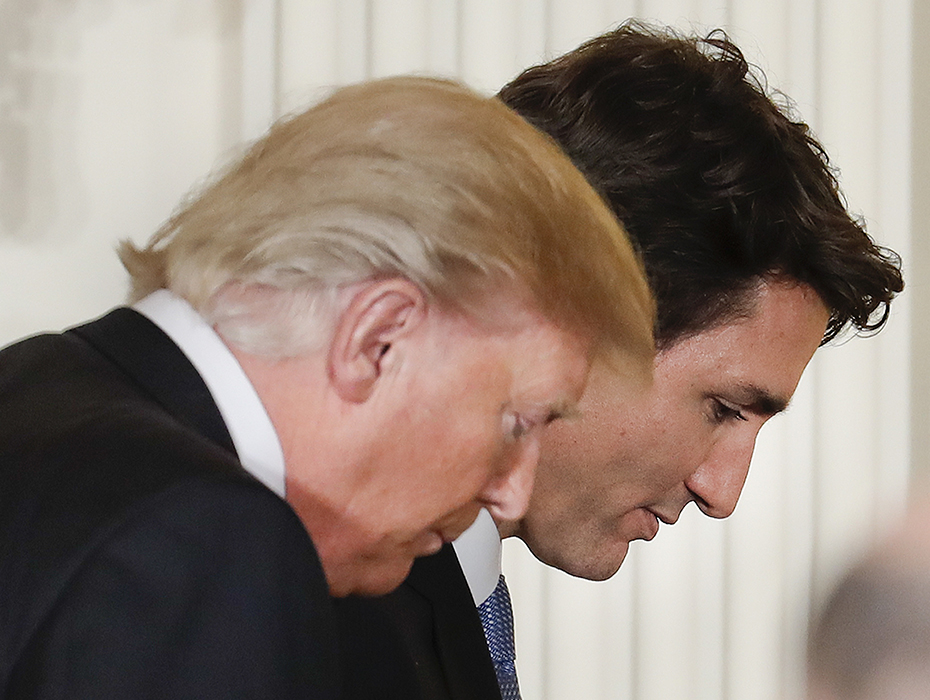
    The White House opened the door Wednesday to exempting Canada and Mexico from the proposed tariffs on steel and aluminum, the first pullback from a plan that critics say will spark a trade war.

    The White House opened the door Wednesday to exempting Canada and Mexico from the proposed tariffs on steel and aluminum, the first pullback from a plan that critics say will spark a trade war.

    Much of the pressure to carve out Canada from President Trump’s big tariffs came from within the U.S. steel industry, which shares ownership in steel mills across the Great White North and reaps hefty profits from cross-border trade.

    A tariff exemption for Canada, Mexico and possibly other countries could help tamp down fears about a trade war, but it definitely promises to further boost profits for U.S. steel companies, analysts say.

    “The U.S. steel industry has had a long history of pursuing cartel-enhancing trade policies,” said Thomas Prusa, an international trade policy scholar at Rutgers University. “In most cases, the steel executives would benefit from exclusions because it would allow the [multinational corporations] to continue to maximize global profits.”

    Some of the largest steel conglomerates, including Arcelor Mittal and Nucor, operate in both the U.S. and Canada.

    Canada is the No. 1 supplier of steel imported by the U.S. It supplied about 16 percent of the 26.9 million tons of steel imported last year. Canada also buys more U.S. steel than any other country, accounting for half of U.S. exports.

    Other top steel suppliers to the U.S. are the European Union, Brazil, South Korea, Japan and Mexico. Many have threatened to retaliate against Mr. Trump’s tariffs by taxing such U.S. goods as bluejeans, bourbon and motorcycles.

    China supplies about 2 percent of steel to the U.S., ranking it as the No. 11 supplier. The country’s steel is also subject to anti-dumping and countervailing duties.

    Mr. Trump argues that China supplies much more steel to the U.S. by transshipping, or disguising the origin of the steel by shipping it through other countries.

    The president had repeatedly voiced opposition to granting exemptions to his proposed tariffs — 25 percent on steel and 10 percent on aluminum.

    He said this week that the tariffs could be adjusted as part of the ongoing renegotiations of the North American Free Trade Agreement among the U.S., Canada and Mexico. The tariffs, however, are a relatively small issue within that massive trade deal.

    A redo of NAFTA and slapping tariffs on steel were prominent campaign promises from Mr. Trump.

    White House press secretary Sarah Huckabee Sanders made the pivot to potential exemptions.

    “There are potential carve-outs for Mexico and Canada based on national security, and possibly other countries as well based on that process,” she said.

    She said the exemptions for Canada, Mexico and possibly other countries would be on “case-by-case and country-by-country basis, but it would be determined whether there is a national security exemption.”

    The pullback came a day after the resignation of Gary Cohn, the president’s top economic adviser who was fiercely opposed to the tariffs. His resignation was blamed on his clash with Mr. Trump over the tariff plan.

    The Commerce Department recommended the tariffs based on an investigation that determined there was a national security risk from U.S. reliance on imported steel and aluminum, which are used extensively in military goods.

    Mr. Trump also has been under intense pressure from Capitol Hill Republicans and free trade conservatives who want him to narrowly target tariffs at bad actors such as China.

    House Ways and Means Committee Chairman Kevin Brady of Texas and 106 fellow House Republicans sent Mr. Trump a letter arguing for exceptions to the tariff, including grandfathering current contracts for imports and a process to exempt countries.

    “We support your resolve to address distortions caused by China’s unfair practices, and we are committed to acting with you and our trading partners on meaningful and effective action. But we urge you to reconsider the idea of broad tariffs to avoid unintended negative consequences to the U.S. economy and its workers,” they wrote.

    Despite the alterations to the plan, Mr. Trump is still expected to sign the order by the end of the week, Mrs. Sanders said.

    “Look, it’s a lengthy process finalizing the details,” she said. “It’s a complicated process, and we want to make sure we every i’s dotted and all t’s are crossed.”

  • Moon Jae-in, South Korean president, says talks won’t ease pressure on North

    South Korean President Moon Jae-in on Wednesday downplayed concerns that the resumption of inter-Korean dialogue will be accompanied by an easing of international sanctions and pressure on North Korea

    SEOUL, South Korea (AP) — South Korean President Moon Jae-in on Wednesday downplayed concerns that the resumption of inter-Korean dialogue will be accompanied by an easing of international sanctions and pressure on North Korea over its nuclear program.

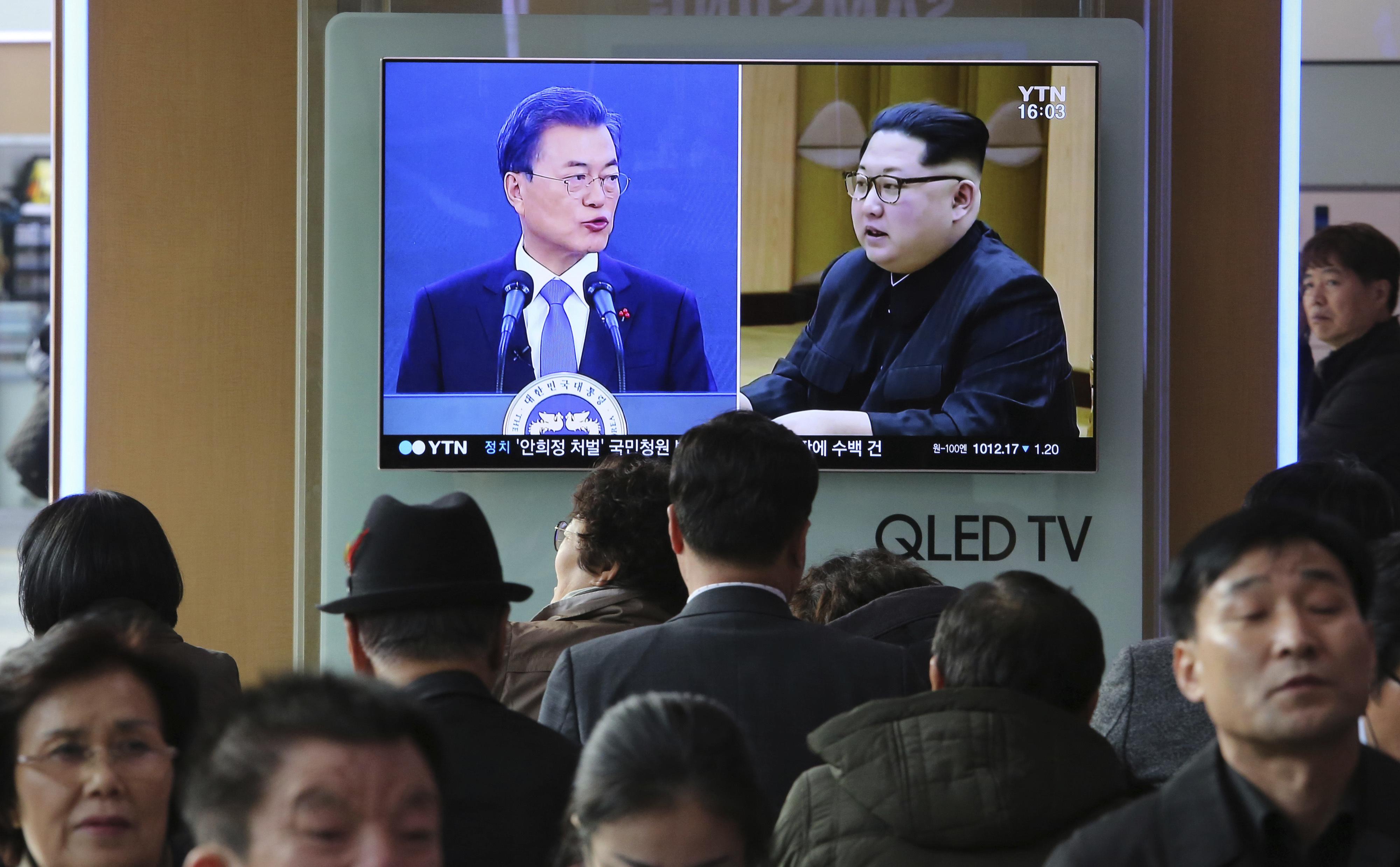
    Moon made the comments in a meeting with political party leaders a day after South Korea announced an agreement with the North to hold a rare summit in April. Senior South Korean officials who met with North Korean leader Kim Jong Un in Pyongyang on Monday also said the North expressed a willingness to hold talks with the United States on denuclearization and normalizing ties.

    Conservative opposition leaders expressed concern during Wednesday’s meeting at Seoul’s presidential palace that North Korea could use the talks as a way to reduce the pressure, and also questioned whether the North in genuinely interested in abandoning its nuclear weapons.

    SEE ALSO: Trump takes credit for Kim Jong-un’s sudden shift on talks

    “The sanctions and pressure on North Korea aren’t maintained by South Korea alone — these are actions based on U.N. Security Council resolutions, and then there are strong unilateral sanctions imposed by the United States,” Moon said, added that the pressure on the North could only be reduced by “substantive progress” on denuclearization.

    “These international efforts (to pressure the North) cannot be loosened by inter-Korean dialogue. We don’t aim for that to happen and it’s also impossible.”

    Moon’s presidential national security director, Chung Eui-yong, who led the South Korean delegation that met with Kim, is to leave for the United States on Thursday to brief U.S. officials on the outcome of his trip to the North. Chung told reporters on Tuesday that he received a message from North Korea intended for the United States, but didn’t disclose what it was.

    Japan has responded cautiously to the South Korean announcement of summit talks, saying Tokyo’s policy of keeping maximum pressure on North Korea is unchanged.

    Chief Cabinet Secretary Yoshihide Suga said Wednesday that dialogue for dialogue’s sake is meaningless and that the allies “should fully take into consideration lessons from our past dialogues with the North, none of which achieved denuclearization.” He said Japan is on the same page as the United States, citing U.S. Vice President Mike Pence as saying Washington’s pressure campaign is unchanged, with all options still on the table.

    China, which is North Korea’s only major ally, cheered the exchanges between the Koreas and called for a return to six-nation talks on denuclearization that it previously hosted.

    Foreign ministry spokesman Geng Shuang told reporters Wednesday that China was “pleased to see the positive outcomes from those exchanges and interactions between the two sides. … We hope the North and South will earnestly implement their consensuses and proceed with the process of reconciliation and cooperation.”

    ___

    Associated Press writers Mari Yamaguchi in Tokyo and Chris Bodeen in Beijing contributed to this report.

  • Pakistan official: U.S. should end Afghanistan war with Taliban

    The United States must abandon any hope of winning the war in Afghanistan on the battlefield and seek a peace deal with the Taliban, Pakistan’s top national security official said Tuesday.

    ISLAMABAD, Pakistan — The United States must abandon any hope of winning the war in Afghanistan on the battlefield and seek a peace deal with the Taliban, Pakistan’s top national security official said Tuesday.

    “End the suffering of Afghanistan and of its people. Let us seek the closure of the conflict instead of winning it,” Pakistani National Security Adviser Nasser Khan Janjua, a former army general, said during an exclusive roundtable with reporters in the Pakistani capital.

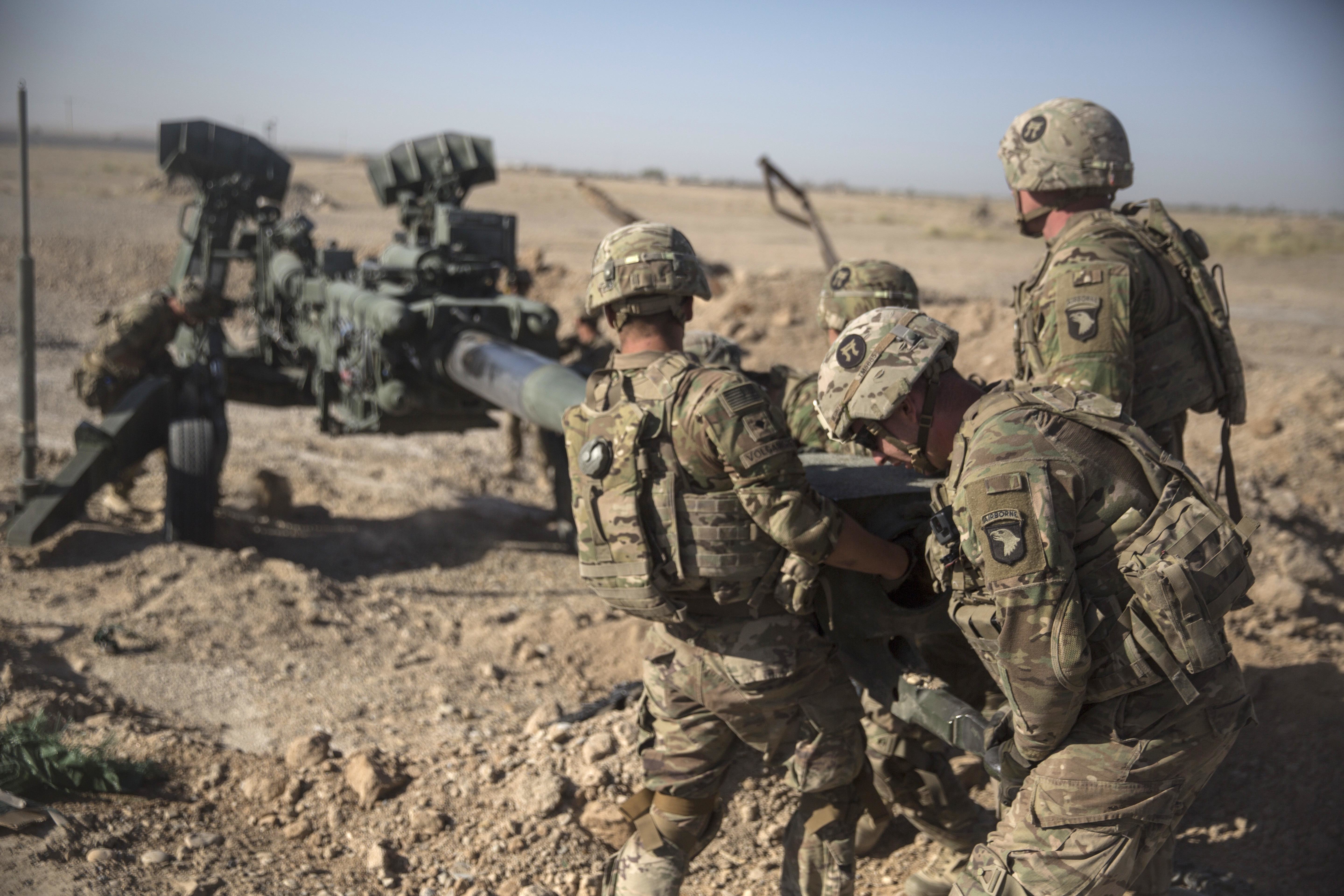
    President Trump’s blueprint released last summer for the Afghanistan conflict, now in its 17th year, called for an escalated American military effort to force the radical Islamist Taliban to the bargaining table, but Mr. Trump questioned the idea of negotiations after a string of deadly Taliban and Islamic State strikes this year.

    The State Department says the U.S. government backs a peace process proposed by Afghan President Ashraf Ghani Feb. 28 that would allow the Taliban to organize as a political party if it agrees to end its insurgency and joins the political process. The U.S. has consistently rejected the Taliban’s demands for direct talks between Washington and the terrorist group and the immediate withdrawal of U.S. and NATO troops from Afghanistan.

    Mr. Janjua called for the U.S. to forgo any hope of military victory amid reports that the U.S.-backed government in Kabul controls less than 60 percent of the war-torn country in the face of a resurgent Taliban.

    “It is not possible for the U.S. to win back 44 percent of Afghanistan,” he said, speaking at Pakistan’s National Security Division headquarters. “Let us resolve [the war] politically. Let us reconcile. How long do we want to continue to fight in Afghanistan?”

    Tensions between Islamabad and Washington soared in recent months in the aftermath of the Trump administration’s hard-line rhetoric against Pakistan’s role in the war on terrorist groups in South Asia, capped by a sharp cut in U.S. aid and military support programs in January.

    Members of the Financial Action Task Force, an international regulatory group combating terrorism financing, last month voted to put Pakistan on its watch list over its inability to curtail known terrorist groups’ funding and operations. The move could severely restrict foreign investment and movement of capital in and out of the country, Islamabad argues.

    Pakistan has rejected the criticism, citing its aggressive, costly four-year counterterrorism campaign against extremist groups along the volatile Afghanistan-Pakistan border.

    “We have already paid a heavy price,” Mr. Janjua said.

    Pakistan wants to repair relations with the Trump administration, he said, but is also prepared to take a step back from the U.S. and its regional goals in South Asia should the White House impose further economic sanctions or restrictions on the country’s armed forces.

    “Any unilateral action by the U.S. against Pakistan will create a huge, huge difficulty for us, and we will not be able to support the U.S.” in Afghanistan and the region, he said. Conversely, the White House’s embrace of a new peace road map in Afghanistan could bring the two longtime allies closer together.

    “Peace in Afghanistan means peace in Pakistan. Both countries have been suffering,” Mr. Janjua said. “This is the way forward. This is way to reduce the violence.”

    Mr. Ghani, who faces a national election in July, said late last month that he was ready to offer the Taliban a political role in the Afghan government, including the establishment of a political office in Kabul, should the organization’s leaders join stalled peace talks, an approach Mr. Janjua said was long overdue.

    “Why could he not have done this three years before?” he asked. “Ashraf Ghani has done a great thing” with the peace offer.

    While supporting Afghanistan peace talks that include the Taliban, Alice Wells, the State Department’s top diplomat on South and Central Asian affairs, flatly ruled out any support for bilateral talks between the Taliban and Washington.

    Mr. Ghani’s plan “is not a surrender that’s being offered to the Taliban, but a dignified process for reaching a political framework,” she told a group of reporters Tuesday, according to Radio Free Europe/Radio Liberty.

    Mr. Janjua urged Washington to be more flexible in dealing with the Taliban.

    “That is the U.S. way of thinking, so what can we do?” Mr. Janjua said regarding Washington’s opposition to face-to-face talks with the Taliban.

    An Afghanistan peace conference has been scheduled for late March in the Uzbek capital of Tashkent.