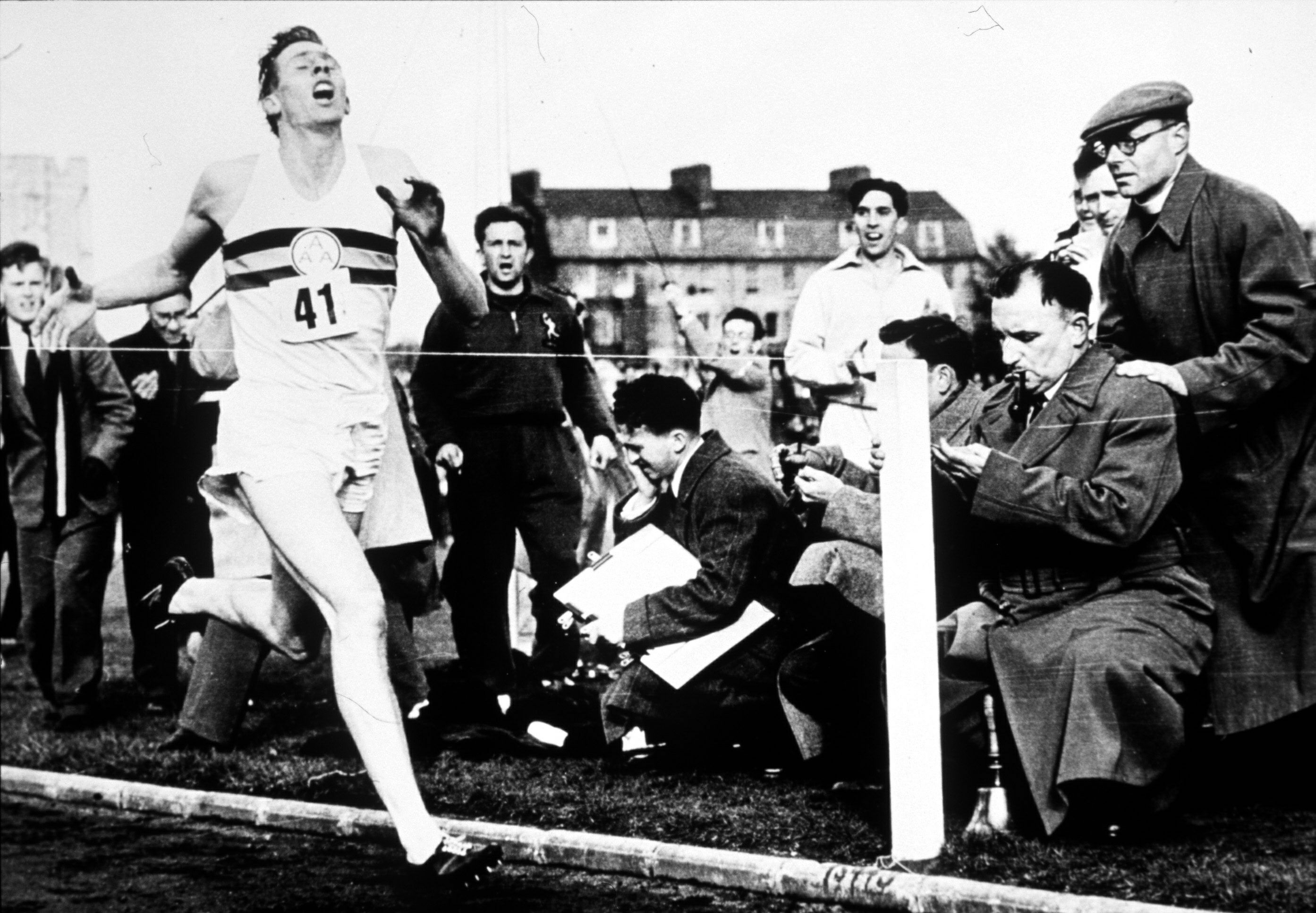
Roger Bannister, the first runner to break the 4-minute barrier in the mile, has died. He was 88.
LONDON — Roger Bannister, the first runner to break the 4-minute barrier in the mile, has died. He was 88.
Bannister’s family said in a statement that he died peacefully on Saturday in Oxford, the English city where the runner cracked the feat many had thought humanly impossible on a windy afternoon in 1954.
Bannister, who went on to pursue a long and distinguished medical career, had been slowed by Parkinson’s disease in recent years.
He was “surrounded by his family who were as loved by him, as he was loved by them,” the family said in a statement announcing his death on Sunday. “He banked his treasure in the hearts of his friends.”
British Prime Minister Theresa May remembered Bannister as a “British sporting icon whose achievements were an inspiration to us all. He will be greatly missed.”
Helped by two pacemakers, Bannister clocked 3 minutes, 59.4 seconds over four laps at Oxford’s Iffley Road track on May 6, 1954, to break the 4-minute mile – a test of speed and endurance that stands as one of the defining sporting achievements of the 20th century.
“It’s amazing that more people have climbed Mount Everest than have broken the 4-minute mile,” Bannister said in an interview with The Associated Press in 2012.
The enduring image of the lanky Oxford medical student – head tilted back, eyes closed and mouth agape as he strained across the finishing tape – captured the public’s imagination, made him a global celebrity and lifted the spirits of Britons still suffering through postwar austerity.
“It became a symbol of attempting a challenge in the physical world of something hitherto thought impossible,” Bannister said as he approached the 50th anniversary of the feat. “I’d like to see it as a metaphor not only for sport, but for life and seeking challenges.”
He might not have set the milestone but for the disappointment of finishing without a medal in the 1,500 meters, known as the metric mile, in the 1952 Olympics in Helsinki. Instead of retiring from the sport, he decided to chase the 4-minute mark.
Swedish runner Gundar Haegg’s mile time of 4:01.4 had stood for nine years, but in 1954 Bannister, Australian rival John Landy and others were threatening to break it.
“As it became clear that somebody was going to do it, I felt that I would prefer it to be me,” Bannister told the AP.
He also wanted to deliver something special for his country.
“I thought it would be right for Britain to try to get this,” Bannister said. “There was a feeling of patriotism. Our new queen had been crowned the year before, Everest had been climbed in 1953. Although I tried in 1953, I broke the British record, but not the 4-minute mile, and so everything was ready in 1954.”
His chance finally came on a wet, cool, blustery May afternoon during a meet between Oxford and the Amateur Athletic Association.
When Bannister looked up at the English flag whipping in the wind atop a nearby church, he feared he would have to call off the record attempt. But, shortly before 6 p.m., the wind died down. The race was on.
With Chris Brasher setting the pace on the cinder track, they ran a first lap in 57.5 seconds, then 60.7 – 1:58.2 for the half mile. Chris Chataway, a distance specialist, paced a third lap of 62.3 – 3:00.4. Bannister would need to run the final lap in 59 seconds.
With 250 yards to go, Bannister surged past Chataway, his long arms and legs pumping and his lungs gasping for oxygen.
“The world seemed to stand still, or did not exist,” he wrote in his book, “The First Four Minutes.”
“The only reality was the next 200 yards of track under my feet. The tape meant finality – extinction perhaps. I felt at that moment that it was my chance to do one thing supremely well. I drove on, impelled by a combination of fear and pride.”
After Bannister crossed the finish line, the announcer read out the time: “3…” The rest was drowned out by the roar of the crowd.
The record lasted just 46 days, as Landy ran 3:57.9 in Turku, Finland, on June 21, 1954. That set the stage for the showdown between Bannister and Landy at the Empire Games, now called the Commonwealth Games, in Vancouver, British Columbia on Aug. 9, 1954.
Landy set a fast pace, leading by as much as 15 yards before Bannister caught up as the bell rang for the final lap.
“Around the last bend, I think the crowd was making so much noise he couldn’t hear whether I was behind, or whether he’d dropped me, and he looked over his left shoulder, and I passed him on his right shoulder,” Bannister said.
Bannister won the race in 3:58.8, with Landy second in 3:59. It was the first time two men had run under 4 minutes in the same race.
Bannister considered that victory even more satisfying than the first 4-minute mile because it came in a competitive race against his greatest rival.
Bannister capped his brilliant summer of 1954 by winning the 1,500 meters at the European Championships in Bern, Switzerland, in a games record of 3:43.8.
Bannister, who was chosen as Sports Illustrated’s first Sportsman of the Year in 1954, retired from competition and pursued a full-time career in neurology. As chairman of the Sports Council between 1971 and 1974, he developed the first test for anabolic steroids.
“None of my athletics was the greatest achievement,” he said. “My medical work has been my achievement and my family with 14 grandchildren. Those are real achievements.”
IAAF President Sebastian Coe said Bannister’s death represented a “day of intense sadness both for our nation and for all of us in athletics.”
Coe ran a mile in a world record 3 minutes, 47.33 seconds in 1981 between winning gold medals in the 1,500 meters at the 1980 and 1984 Olympics.
“There is not a single athlete of my generation who was not inspired by Roger and his achievements both on and off the track,” Coe tweeted.
Bannister also served as master of Oxford’s Pembroke College from 1985-93.
Bannister married Moyra Jacobsson, an artist, in 1955. They had two sons and two daughters and lived in a modest home only minutes away from the track where he made history.
Bannister outlived his 4-minute mile pacemakers: Brasher, who founded the London Marathon, died in 2003 at the age of 74. Chataway died in 2014 at 82.
___
Former Associated Press European Sports Editor Stephen Wilson contributed to this report.


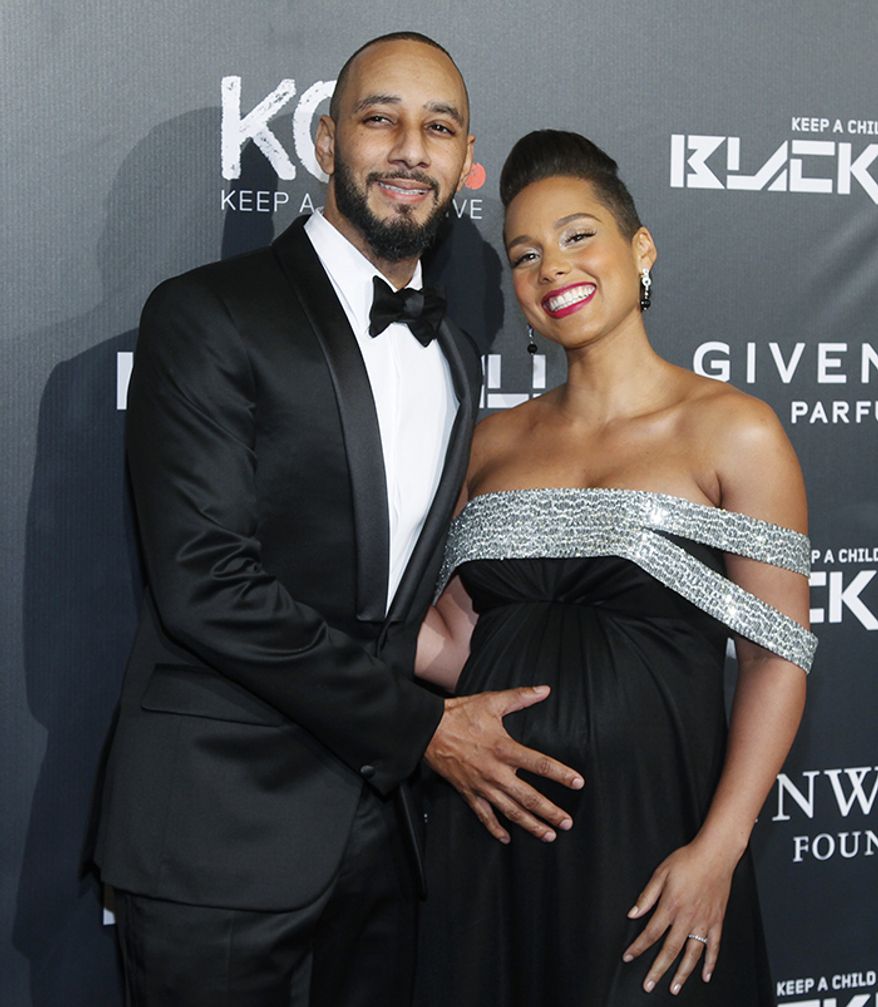 Hip-hop artist Swizz Beatz was still married to singer Mashonda when he started an affair with Alicia Keys in 2008. The couple married in 2010 and have two children together.
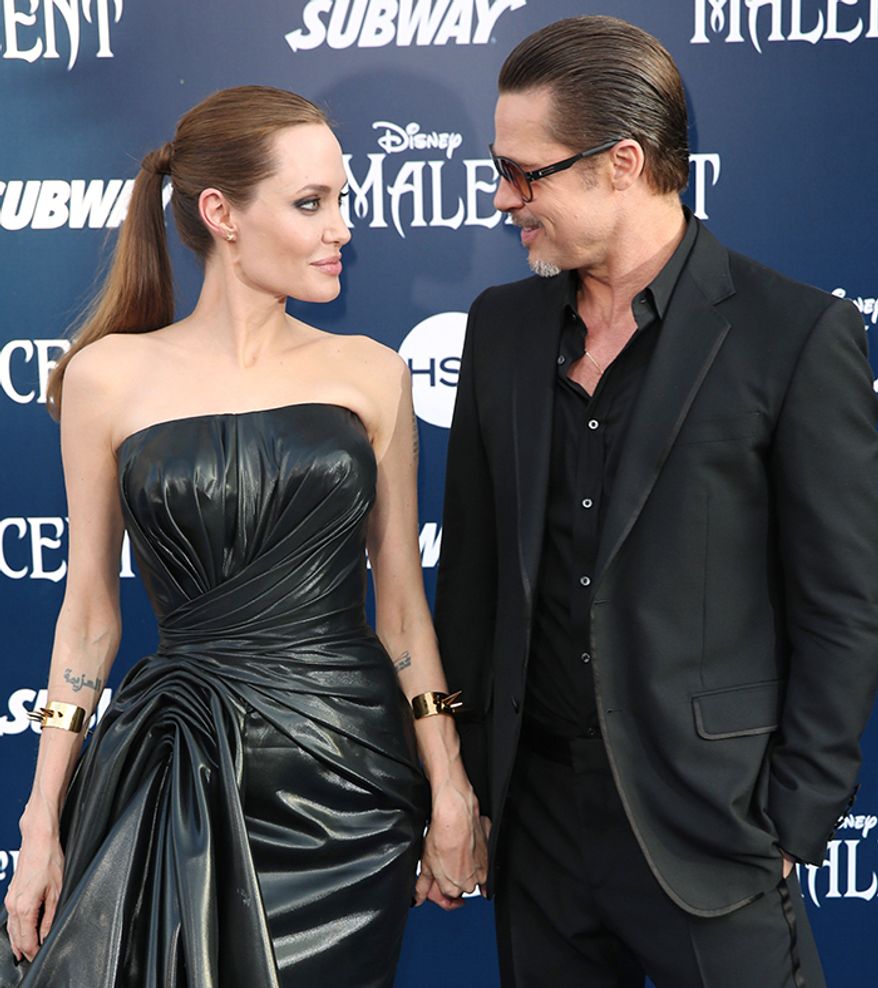 Brad Pitt stated that he “fell in love” with
 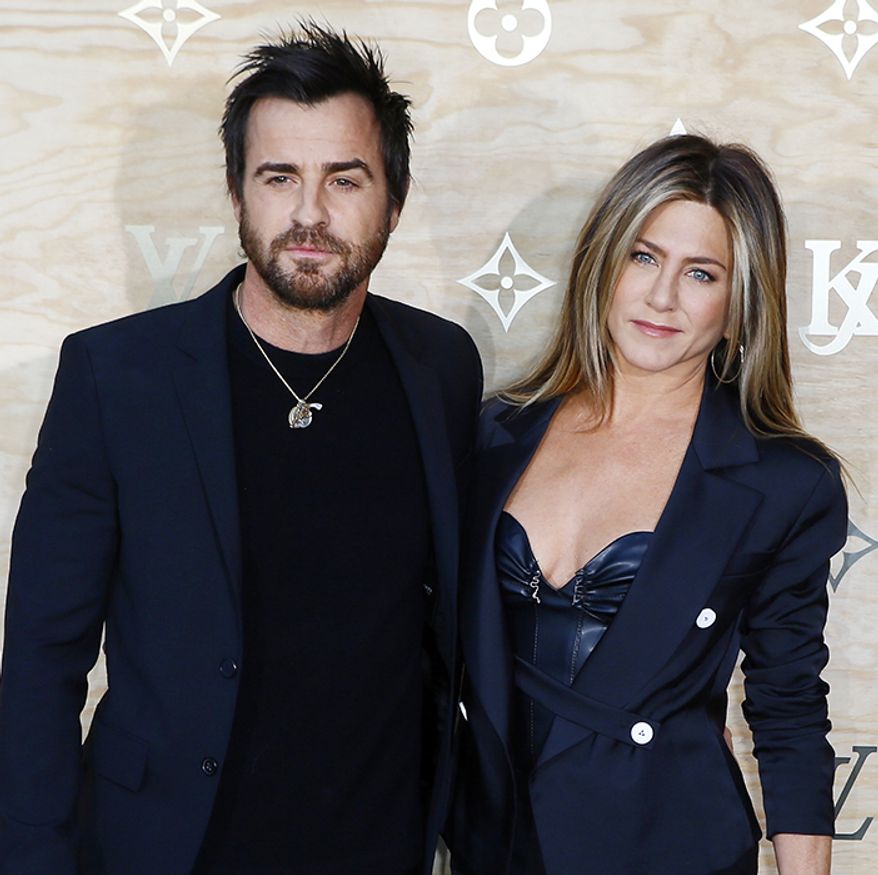 Wanderlust co-stars
  Actress
  Spanish actor

 One of Hollywood’s greatest love stories,
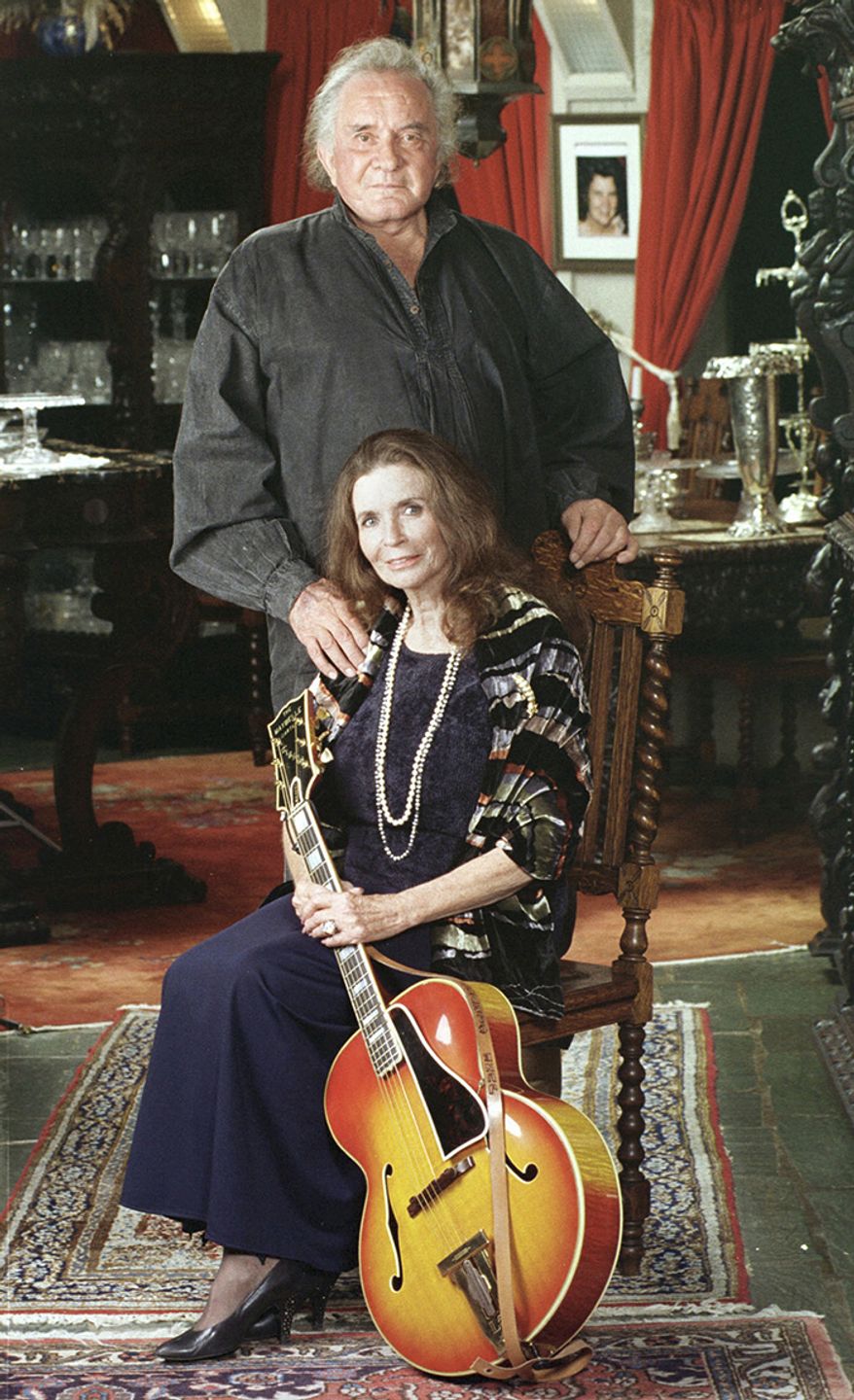 Country legend
  Singer
 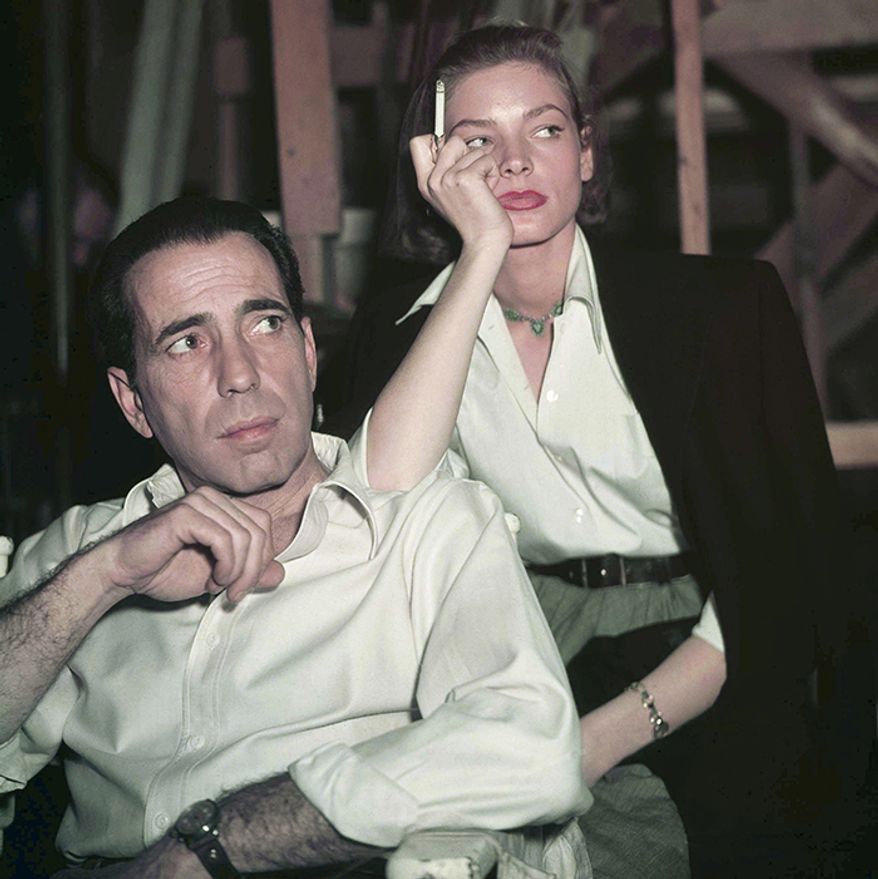 Hollywood icon
 Singer
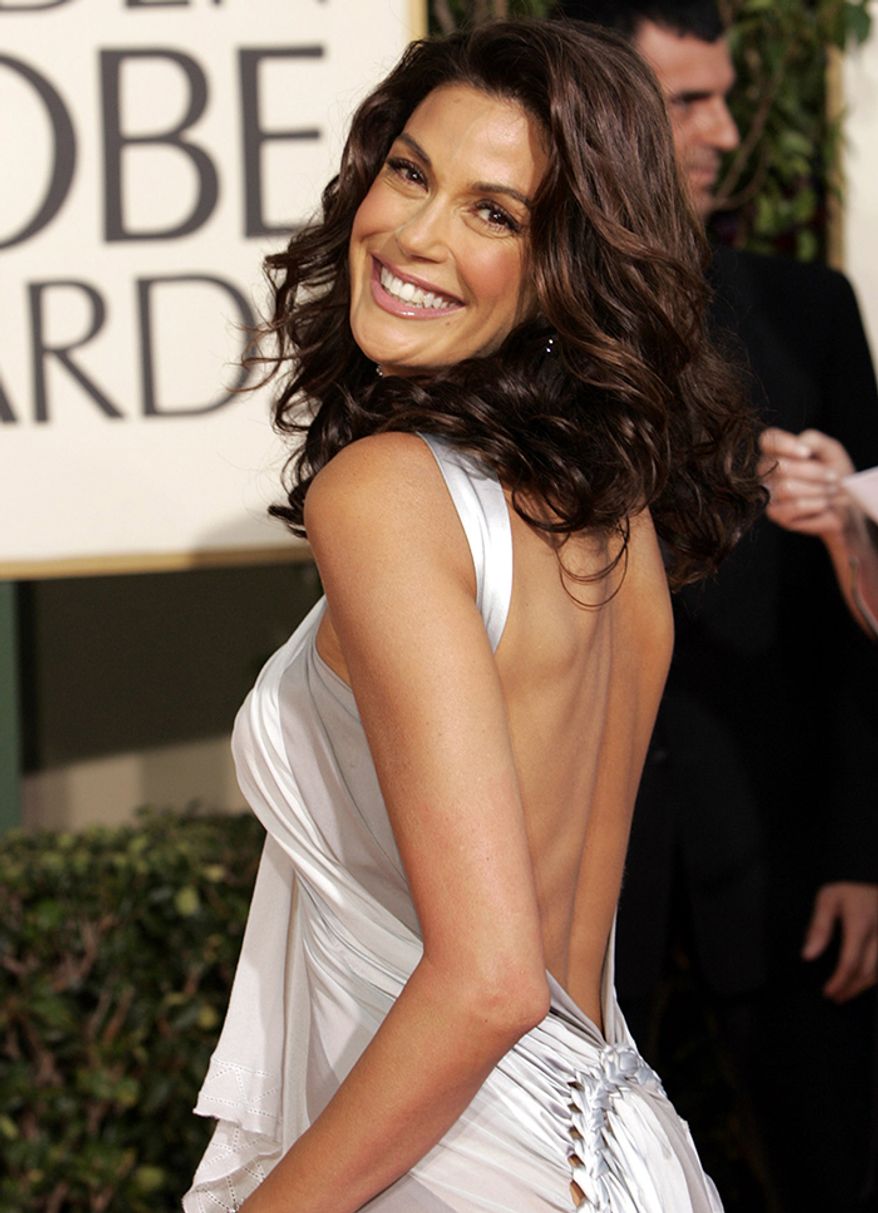 ..long before



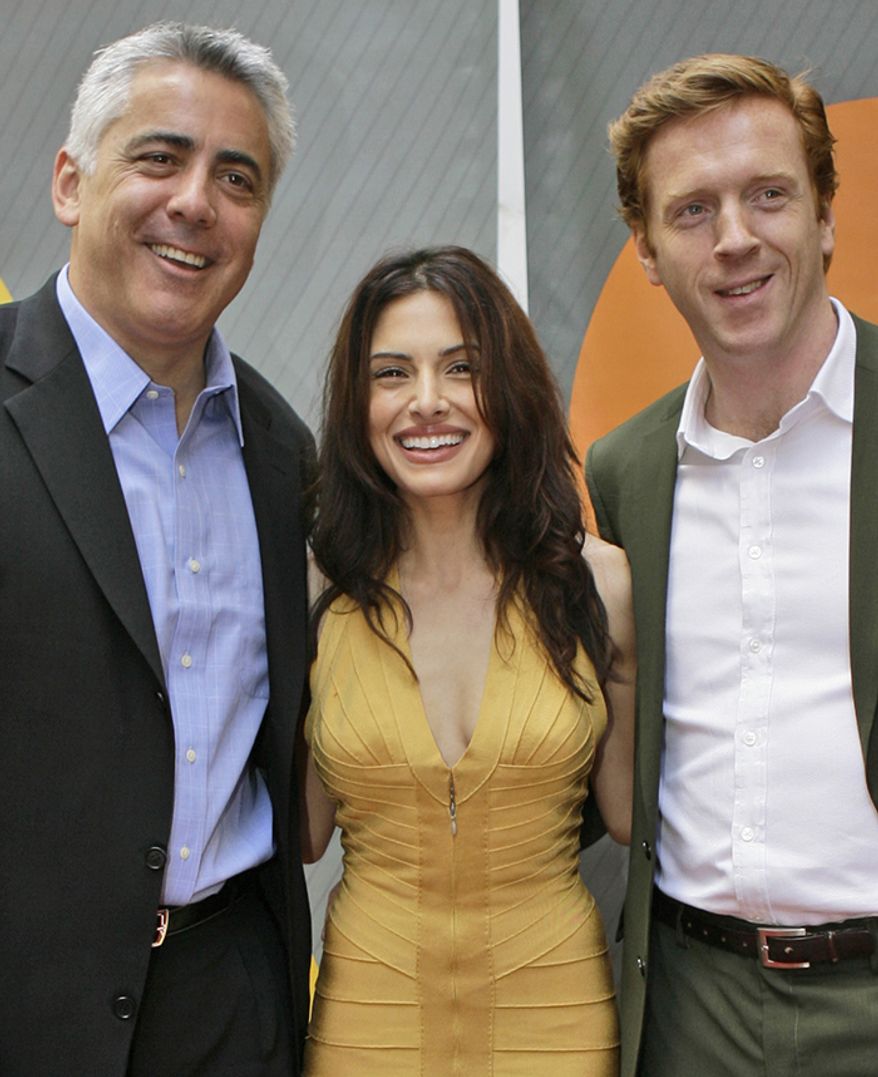 Sarah Shahi was cheering for the Dallas Cowboys before she played Kate Reed in the USA Network legal drama Fairly Legal in 2011–12, Carmen on The L Word in 2008, and also starred as Sameen Shaw on the CBS crime drama Person of Interest. She has also appeared as the main female role Det. Dani Reese in Life, and in a supporting role in Alias.
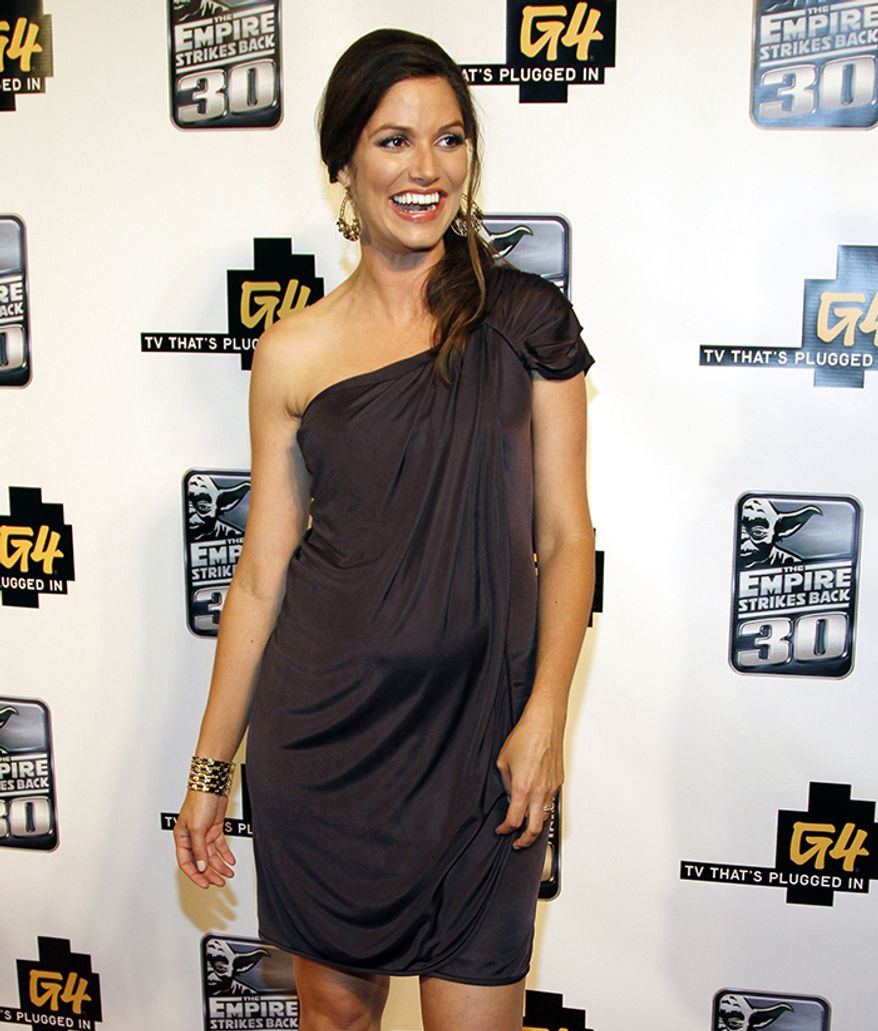

 Charisma Carpenter is best known for her role as Cordelia Chase in the popular TV series Buffy the Vampire Slayer (1997–1999) and its spin-off series Angel (1999–2004). She has also starred as Kyra on Charmed (2004), Kendall Casablancas on Veronica Mars (2005–2006), Rebecca Sewell on The Lying Game (2012–2013) and Lacy in The Expendables film series (2010–2012). She got her start supercharging the San Diego Chargers cheerleading squad.



 14. ARIZONA CARDINALS CHEERLEADERS -The Arizona Cardinals cheerleaders perform during the first half of an NFL preseason football game against the Cincinnati Bengals, Sunday, Aug. 24, 2014, in Glendale, Ariz. (AP Photo/Matt York)
 13. TOP CATS – The Carolina Panthers Top Cats cheerleaders perform before a preseason NFL football game against the Kansas City Chiefs in Charlotte, N.C., Sunday, Aug. 17, 2014. The Panthers won 28-16. (AP Photo/Bob Leverone)
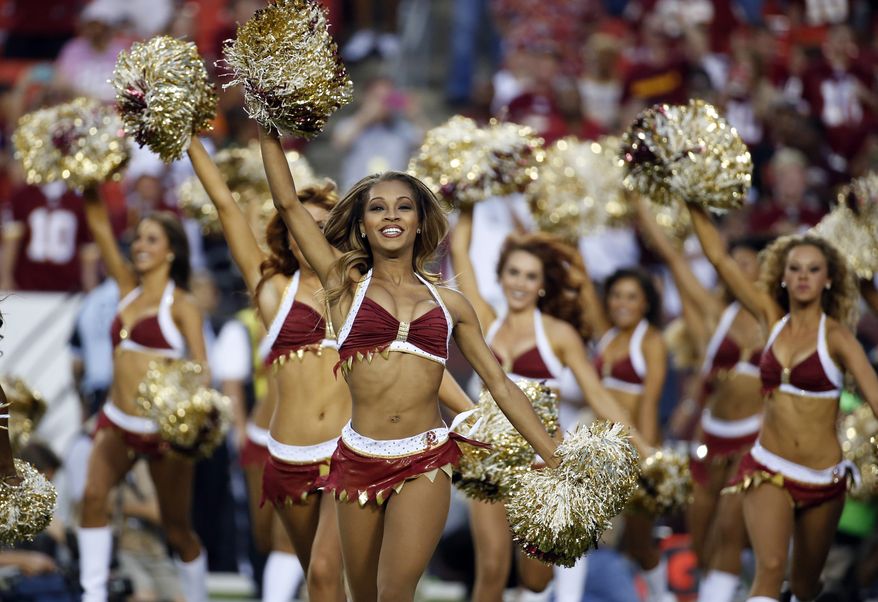 12. WASHINGTON REDSKINS CHEERLEADERS – The Washington Redskins cheerleaders perform before an NFL preseason football game against the Cleveland Browns Monday, Aug. 18, 2014, in Landover, Md. (AP Photo/Alex Brandon)
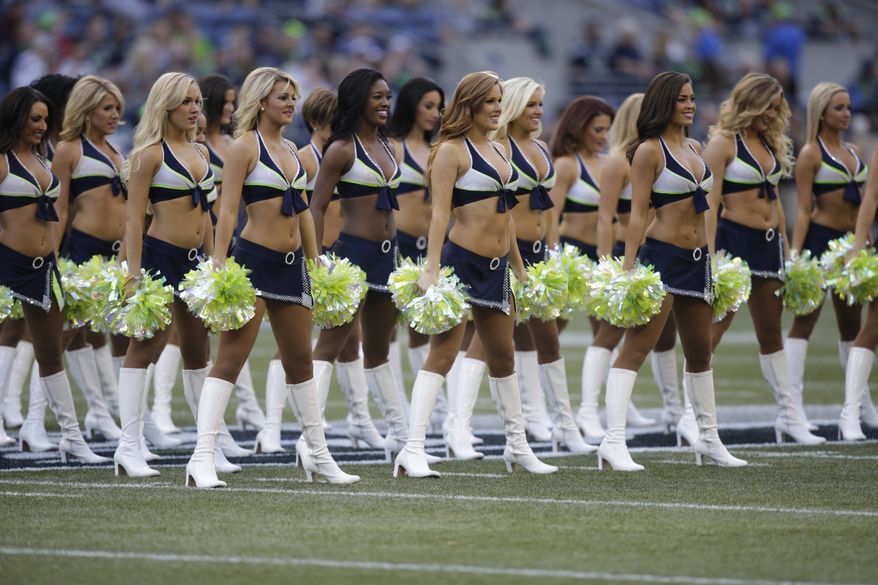 11. THE SEA GALS – Seattle Seahawks Sea Gals cheerleaders take the field before a preseason NFL football game against the Chicago Bears, Friday, Aug. 22, 2014, in Seattle. (AP Photo/Stephen Brashear)
 10. TAMPA BAY BUCCANEERS CHEERLEADERS – Tampa Bay Buccaneers cheerleaders perform prior to an NFL preseason football game against the Miami Dolphins in Tampa, Fla., Saturday, Aug. 16, 2014.(AP Photo/Phelan M. Ebenhack)
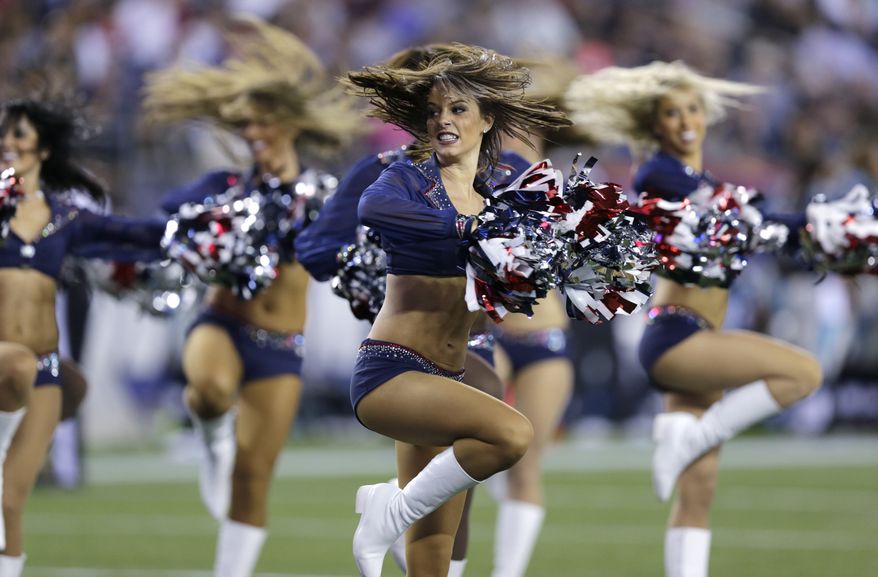 9. NEW ENGLAND PATRIOTS CHEERLEADERS – New England Patriots cheerleaders in the first half of an NFL preseason football game Friday, Aug. 22, 2014, in Foxborough, Mass. (AP Photo/Charles Krupa)
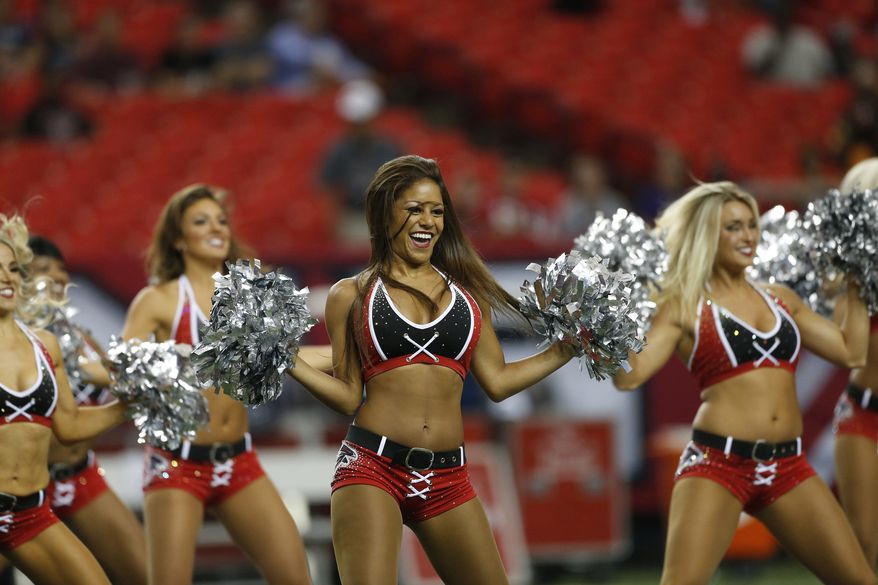 8. ATLANTA FALCONS CHEERLEADERS – Atlanta Falcons cheerleaders perform before the first half of an NFL preseason football game against the Tennessee Titans, Saturday, Aug. 23, 2014, in Atlanta. (AP Photo/John Bazemore)
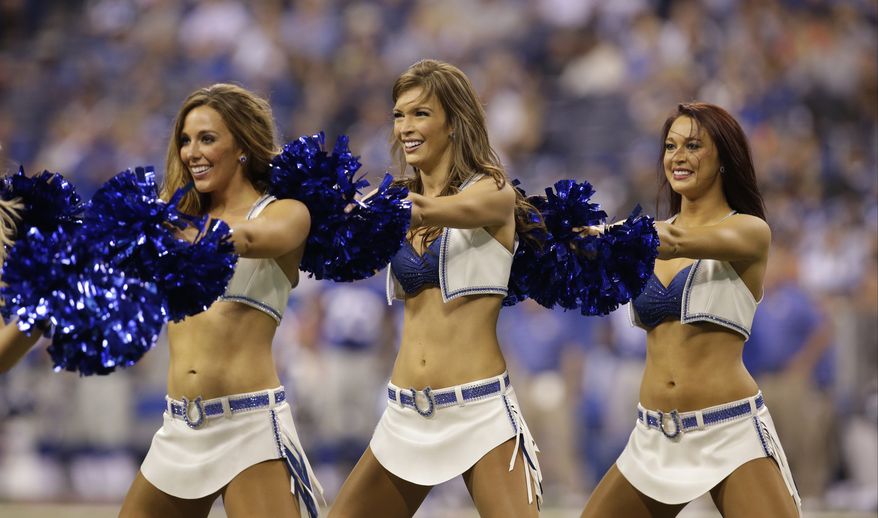 7. INDIANAPOLIS COLTS CHEERLEADERS – Indianapolis Colts cheerleaders cheer during the first half of an NFL preseason football game against the New York Giants Saturday, Aug. 16, 2014, in Indianapolis. (AP Photo/AJ Mast)
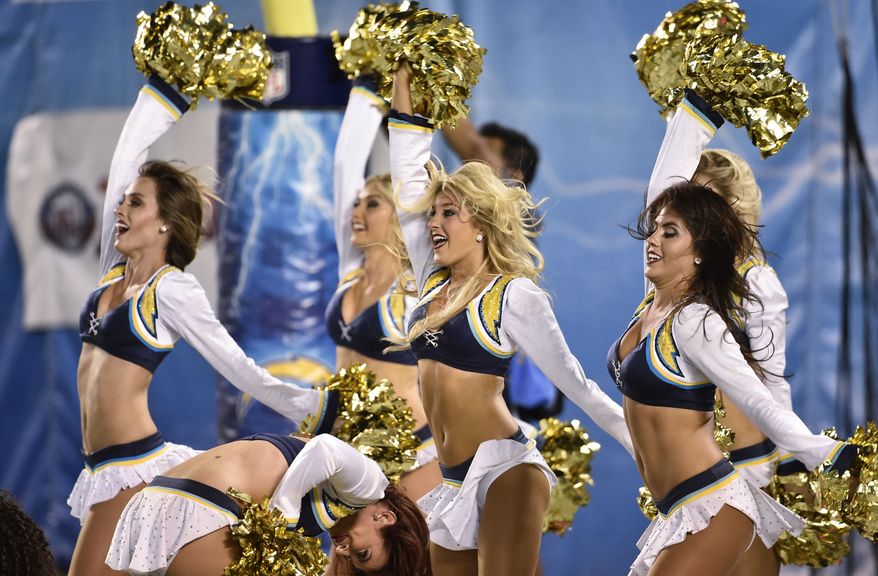 6. CHARGER GIRLS – San Diego Chargers cheerleaders perform during an NFL pre-season football game between the San Diego Chargers and the Arizona Cardinals Thursday, Aug. 28, 2014 in San Diego. (AP Photo/Denis Poroy)
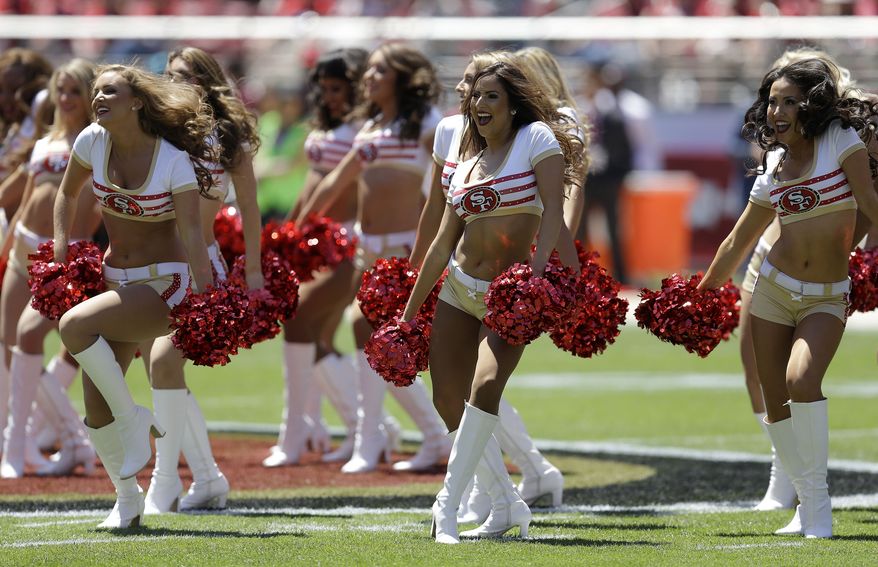 5. 49ERS GOLD RUSH CHEERLEADERS – San Francisco 49ers cheerleaders perform during an NFL preseason football game between the 49ers and the Denver Broncos in Santa Clara, Calif., Sunday, Aug. 17, 2014. (AP Photo/Ben Margot)
 4. HOUSTON TEXANS CHEERLEADERS – Houston Texans cheerleaders perform during the first quarter of an NFL preseason football game against the Atlanta Falcons Saturday, Aug. 16, 2014, in Houston. (AP Photo/Patric Schneider)
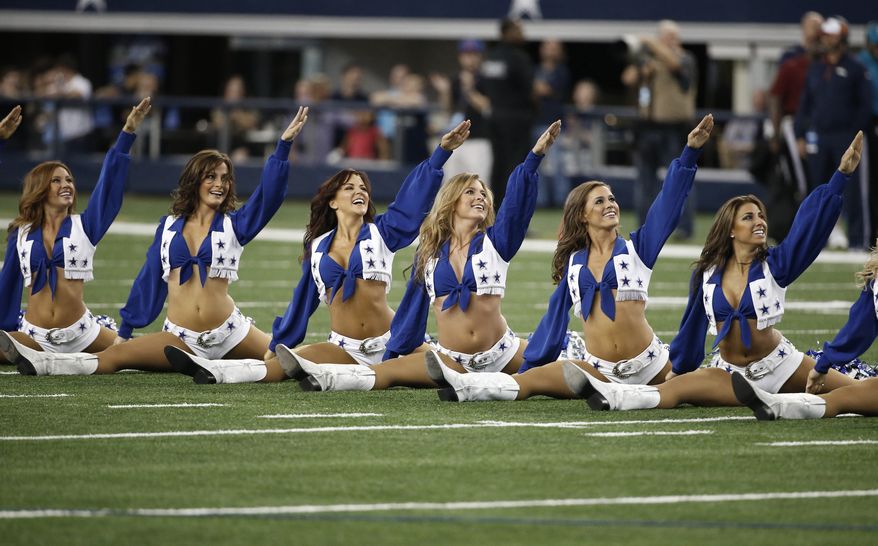 3. DALLAS COWBOYS CHEERLEADERS – The Dallas Cowboys cheerleaders perform before a NFL preseason football game against the Denver Broncos, Thursday, Aug. 28. 2014, in Arlington, Texas. (AP Photo/Brandon Wade)
 2. TENNESSEE TITANS CHEERLEADERS – Tennessee Titans cheerleaders perform in the second quarter of a preseason NFL football game between the Titans and the Minnesota Vikings Thursday, Aug. 28, 2014, in Nashville, Tenn. (AP Photo/Wade Payne)
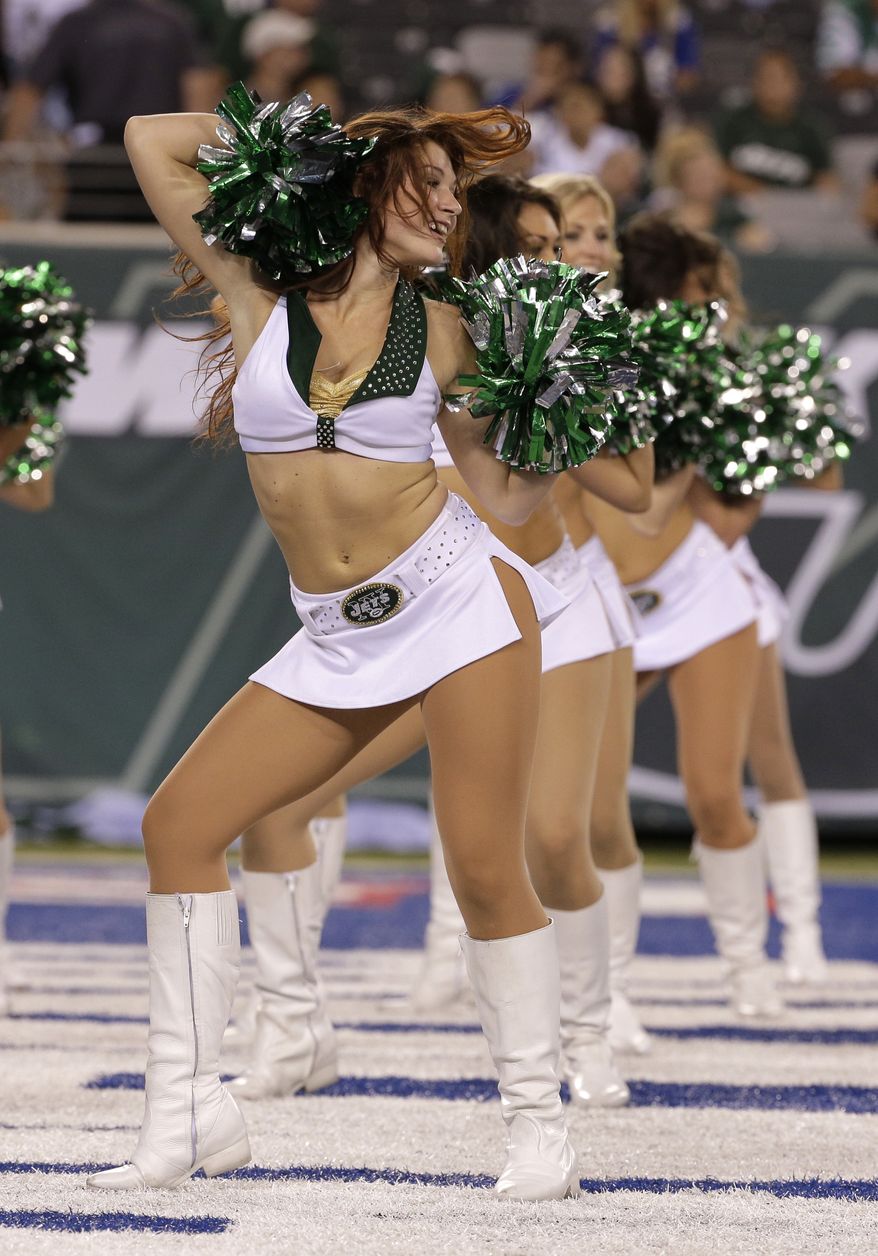 1. JETS FLIGHT CREW – New York Jets cheerleaders during a football game against the New York Giants in East Rutherford, N.J. on Friday, Aug. 22, 2014. (AP Photo/Peter Morgan)
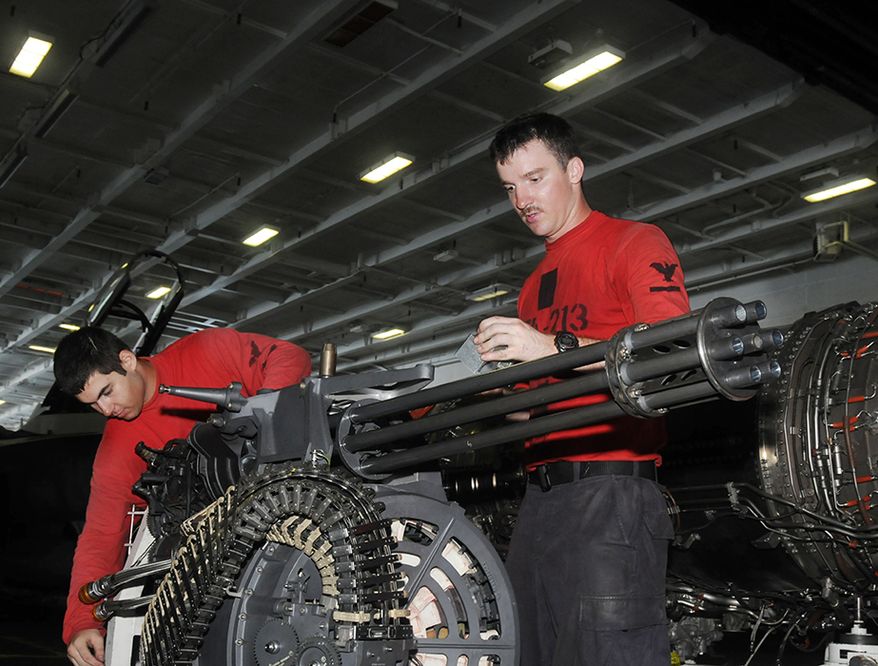 M61 Vulcan is a hydraulically or pneumatically driven, six-barrel, air-cooled, electrically fired Gatling-style rotary cannon which fires 20 mm rounds at a rate of about 6,000 rounds per minute. The Vulcan entered service in 1959. The M61 and its derivatives have been the principal cannon armament of United States military fixed-wing aircraft for fifty years. (U.S. Navy photo by Mass Communication Specialist 3rd Class Kasey Krall/Released)
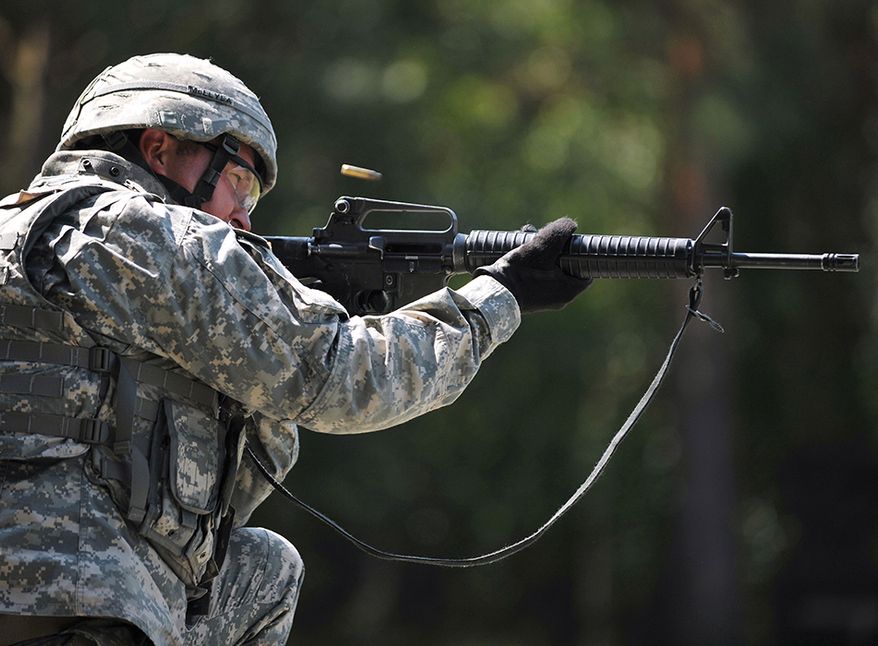 The M16 entered U.S. military service in 1964 and the following year was deployed for jungle warfare operations during the Vietnam War. In 1969, the M16A1 replaced the M14 rifle to become the U.S. military’s standard service rifle. The M16A1 improvements include a bolt-assist, chrome plated bore and a new 30-round magazine. In 1983, the U.S. Marine Corps adopted the M16A2 rifle and the U.S. Army adopted it in 1986. The M16A2 fires the improved 5.56×45mm NATO (M855/SS109) cartridge and has a new adjustable rear sight, case deflector, heavy barrel, improved handguard, pistol grip and buttstock, as well as a semi-auto and three-round burst only fire selector. Adopted in 1998, the M16A4 is the fourth generation of the M16 series. It is equipped with a removable carrying handle and Picatinny rail for mounting optics and other ancillary devices. The M16 has also been widely adopted by other militaries around the world. Total worldwide production of M16s has been approximately 8 million, making it the most-produced firearm of its 5.56 mm caliber.
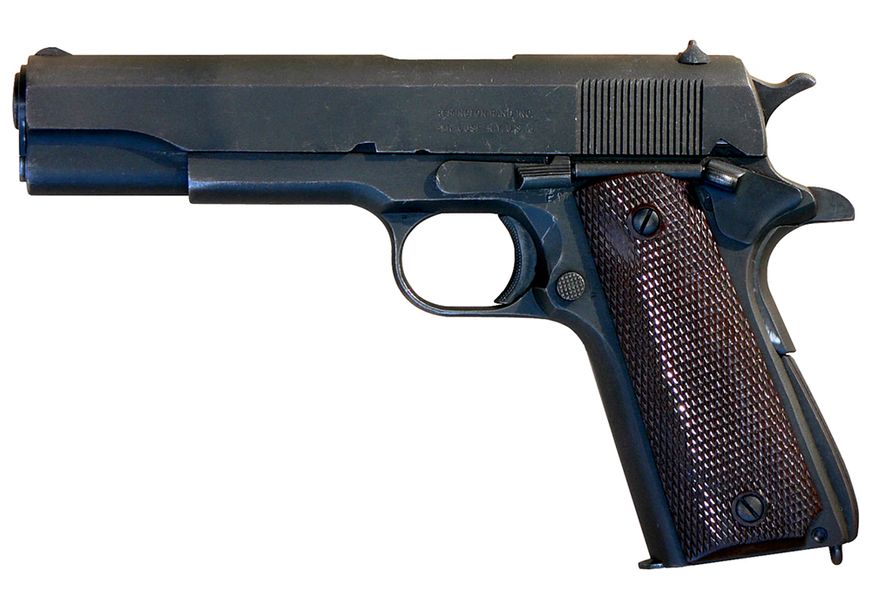 M1911 is a single-action, semi-automatic, magazine-fed, recoil-operated pistol chambered for the .45 ACP cartridge. It served as the standard-issue sidearm for the United States Armed Forces from 1911 to 1986. It was widely used in World War I, World War II, the Korean War, and the Vietnam War. The pistol’s formal designation as of 1940 was Automatic Pistol, Caliber .45, M1911 for the original model of 1911 or Automatic Pistol, Caliber .45, M1911A1 for the M1911A1, adopted in 1924. The designation changed to Pistol, Caliber .45, Automatic, M1911A1 in the Vietnam War era. The U.S. procured around 2.7 million M1911 and M1911A1 pistols in military contracts during its service life. The M1911 was replaced by the 9mm Beretta M9 pistol as the standard U.S. sidearm in October 1986, but due to its popularity among users, it has not been completely phased out. Modernized derivative variants of the M1911 are still in use by some units of the U.S. Army Special Forces, the U.S. Navy and U.S. Marine Corps. Designed by John Browning, the M1911 is the best-known of his designs to use the short recoil principle in its basic design. The pistol was widely copied, and this operating system rose to become the preeminent type of the 20th century and of nearly all modern centerfire pistols.
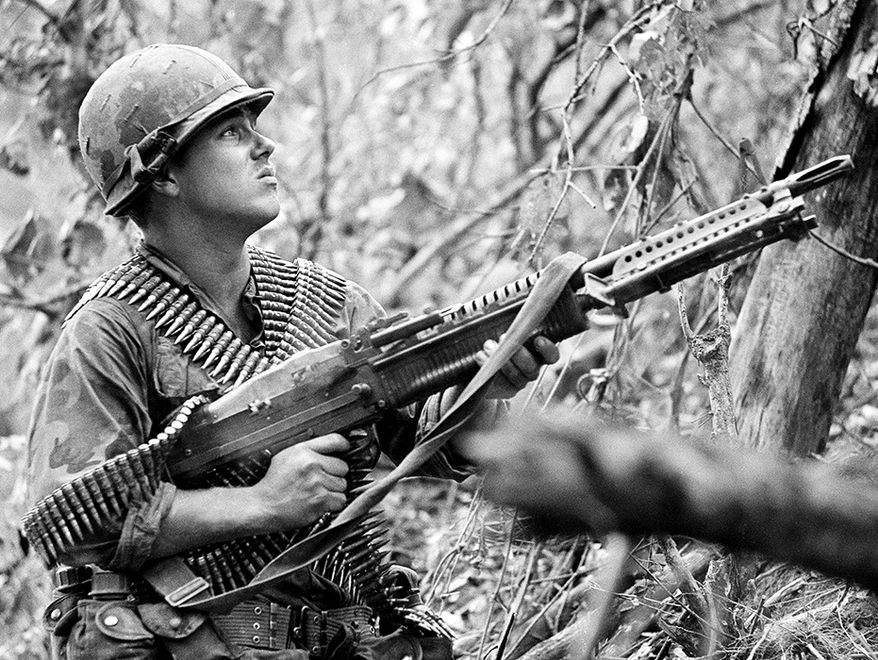 M60 is a family of general-purpose machine guns firing 7.62 × 51 mm NATO cartridges from a disintegrating belt of M13 links. There are several types of ammunition approved for use in the M60, including ball, tracer, and armor-piercing rounds. Introduced in 1957, it has served with every branch of the U.S. military and still serves with other armed forces. Its manufacture and continued upgrade for military and commercial purchase continues into the 21st century, although it has been replaced or supplemented in most roles by other designs, most notably the M240 machine gun in U.S. service. (AP Photo)
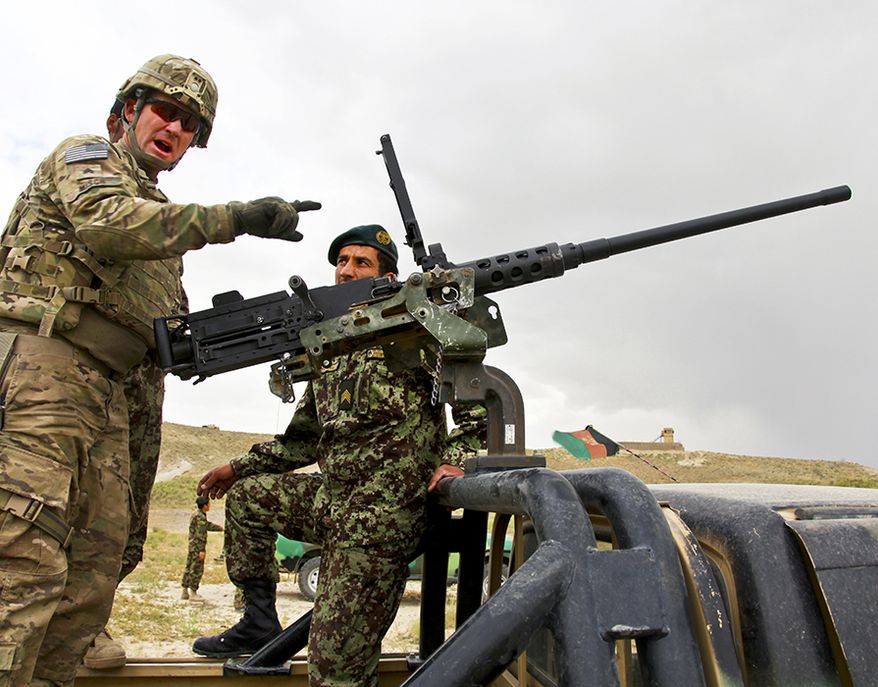 The M2 Machine Gun or
 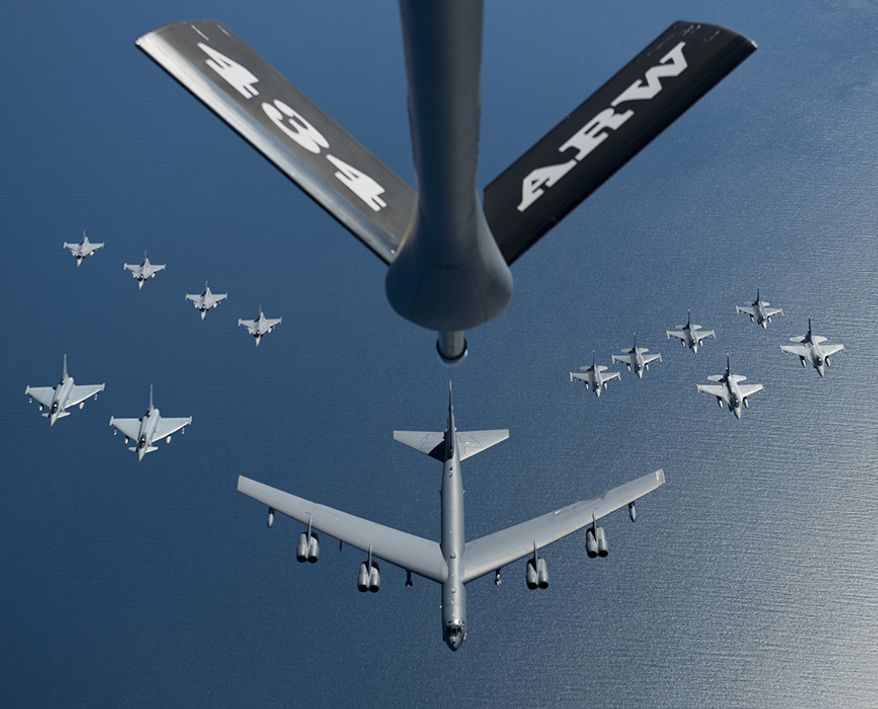 B-52 Stratofortress is a long-range, subsonic, jet-powered strategic bomber. The B-52 was designed and built by
 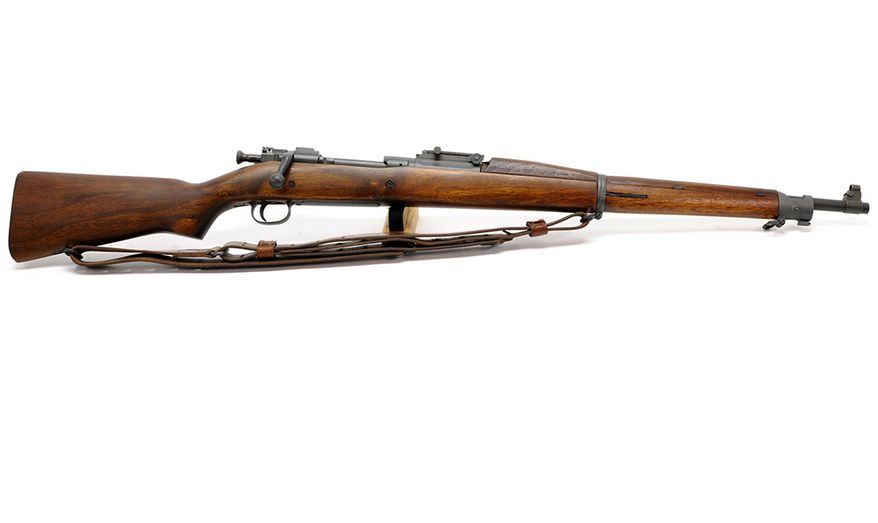 M1903 Springfield, formally the United States Rifle, Caliber .30-06, Model 1903, is a five-round magazine fed, bolt-action service repeating rifle, used primarily during the first half of the 20th century. It was officially adopted as a United States military bolt-action rifle on June 19, 1903, and saw service in World War I. It was officially replaced as the standard infantry rifle by the faster-firing semi-automatic eight-round M1 Garand starting in 1936. However, the M1903 Springfield remained in service as a standard issue infantry rifle during World War II, since the U.S. entered the war without sufficient M1 rifles to arm all troops. It also remained in service as a sniper rifle during World War II, the Korean War, and even in the early stages of the Vietnam War. It remains popular as a civilian firearm, historical collector’s piece, and as a military drill rifle.
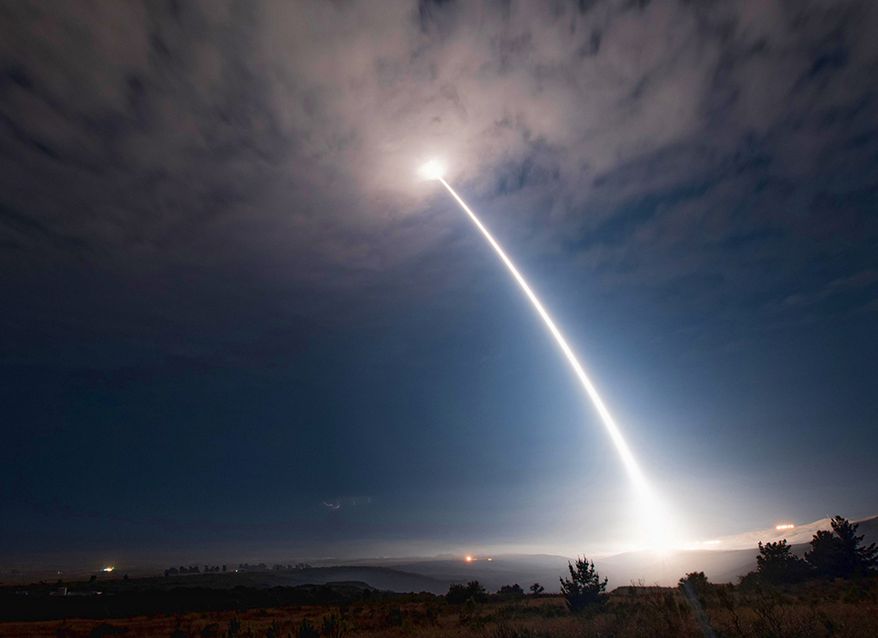 LGM-30 Minuteman is a land-based intercontinental ballistic missile, in service with the Air Force Global Strike Command. Development of the Minuteman began in the mid-1950s as the outgrowth of basic research into solid fuel rocket motors which indicated an ICBM based on solids was possible. Such a missile could stand ready for extended periods of time with little maintenance, and then launch on command. In comparison, existing U.S. missile designs using liquid rocket propellant required a lengthy fueling process immediately before launch, which left them open to the possibility of surprise attack. This potential for immediate launch gave the missile its name; like the Revolutionary War’s Minutemen, the Minuteman was designed to be launched on a moment’s notice. Minuteman entered service in 1962 as a weapon tasked primarily with the deterrence role, threatening Soviet cities with a second strike countervalue counterattack if the U.S. was attacked. However, the development of the U.S. Navy’s Polaris missile, which addressed the same role, allowed the Air Force to modify Minuteman into a weapon with much greater accuracy with the specific intent of allowing it to attack hardened military targets, including Soviet missile silos. The Minuteman-II entered service in 1965 with a host of upgrades to improve its accuracy and survivability in the face of an anti-ballistic missile system the Soviets were known to be developing. Minuteman-III followed in 1970, using three smaller warheads instead of one large one, which made it difficult to attack because the ABMs would have to hit all three widely separated warheads to be effective. Minuteman-III was the first multiple independently targetable reentry vehicle ICBM to be deployed. Each missile can carry up to three thermonuclear weapons, which have a yield in the range of 300 to 500 kilotons. Peaking at 1,000 missiles in the 1970s, the current U.S. force consists of 399 Minuteman-III missiles as of September 2017, deployed in
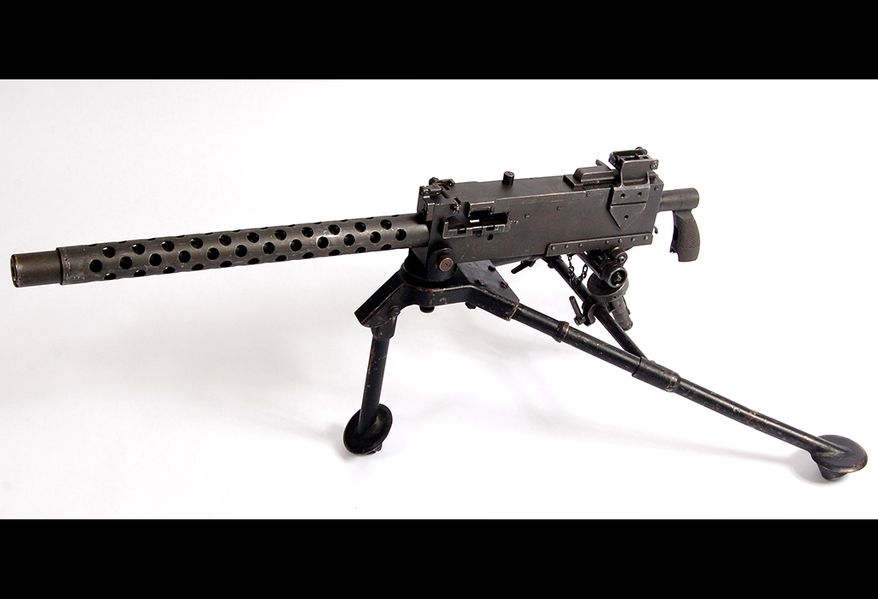 M1919 .30 caliber medium machine gun that was widely used during the 20th century, especially during World War II, the Korean War, and the Vietnam War. The M1919 saw service as a light infantry, coaxial, mounted, aircraft, and anti-aircraft machine gun by the U.S. and many other countries. Many M1919s were rechambered for the new 7.62×51mm NATO round and remain in service to this day. The M1919 was an air-cooled development of the standard US machine gun of World War I, the John M. Browning-designed water-cooled M1917. The emergence of general-purpose machine guns in the 1950s pushed the M1919 into secondary roles in many cases, especially after the arrival of the M60 in US Army service. The United States Navy also converted many to 7.62mm NATO, and designated them Mk 21 Mod 0; they were commonly used on river craft in the 1960s and 1970s in Vietnam. Many NATO countries also converted their examples to 7.62, and these remained in service well into the 1990s, as well as up to the present day in some countries. A similar conversion of the M1917 also produced the larger M2 Machine Gun, using the same basic operating principles and layout but firing the much more powerful .50 caliber (12.7mm) ammunition. The M1919 is distinguished by its smaller size and the use of a pierced cheese-grater-like jacket around the barrel used on most versions.
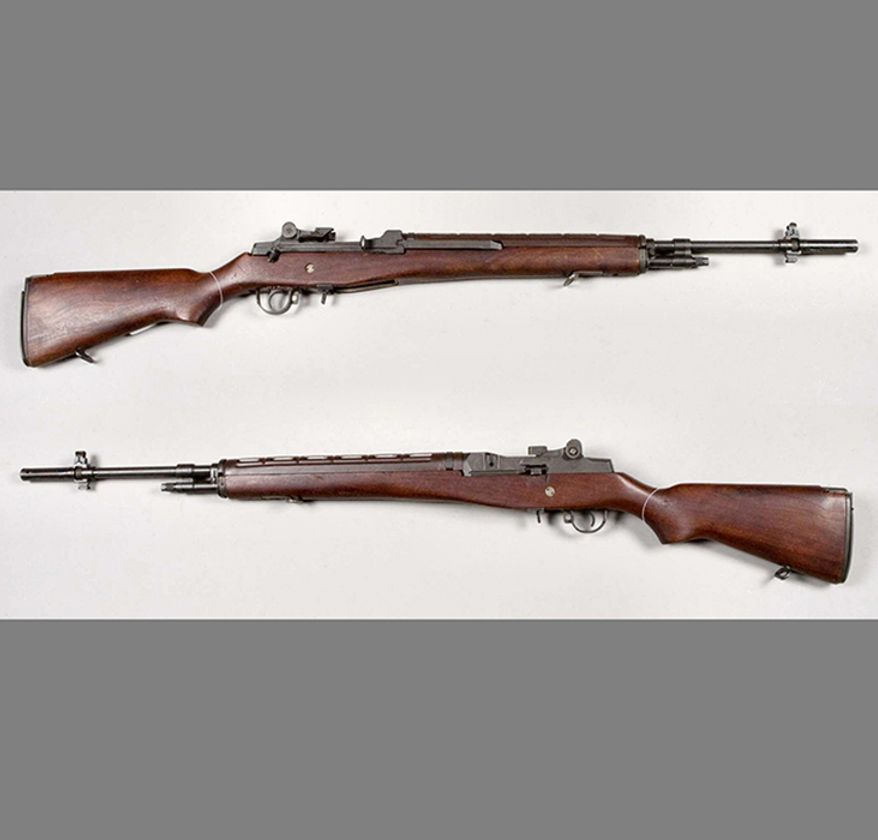 The M14 rifle is a selective fire automatic rifle that fires 7.62 × 51 mm NATO ammunition. It gradually replaced the M1 Garand rifle in U.S. Army service by 1961 and in U.S. Marine Corps service by 1965. It was the standard issue infantry rifle for U.S. military personnel in the contiguous United States, Europe, and South Korea from 1959 until the M16 rifle began replacing it in 1964. The M14 was used for U.S. Army, Navy and Marine Corps basic and advanced individual training from the mid-1960s to the early 1970s. The M14 was the last American battle rifle issued in quantity to U.S. military personnel. The rifle remains in limited service in all branches of the U.S. military as an accurized competition weapon, a ceremonial weapon by honor guards, color guards, drill teams, and ceremonial guards, and sniper rifle/designated marksman rifle.