Tag: Health Medical Pharma

  • Ebola outbreak isn’t a global emergency yet: WHO

    The Ebola outbreak in the Democratic Republic of Congo is not considered a global health emergency — at least not yet, the World Health Organization announced Friday, saying it is hopeful it can stam

    The Ebola outbreak in the Democratic Republic of Congo is not considered a global health emergency — at least not yet, the World Health Organization announced Friday, saying it is hopeful it can stamp out the widening outbreak despite fear the disease will travel along the Congo River “highway” to major capitals.

    In the U.S., meanwhile, the Centers for Disease Control and Prevention said it has a dozen disease fighters who are ready to help the ground effort, if needed.

    The outbreak in the DRC, where Ebola is endemic, has resulted in 45 reported cases, of which 14 have been confirmed, and 25 people have died. Three of the reported cases involve health care workers.

    However, the robust response on the ground provides “a strong reason to believe that this situation can be brought under control,” said Dr. Robert Steffen, the chairman of WHO’s emergency committee.

    Vaccination of people at risk of infection will begin Sunday, according to WHO.

    Director-General Tedros Adhanom Ghebreyesus said the shots flown in from Switzerland are just one part of the global response to the outbreak centered in the remote area of Bikoro, although one case appeared in Mbandaka, a city of more than 1 million people.

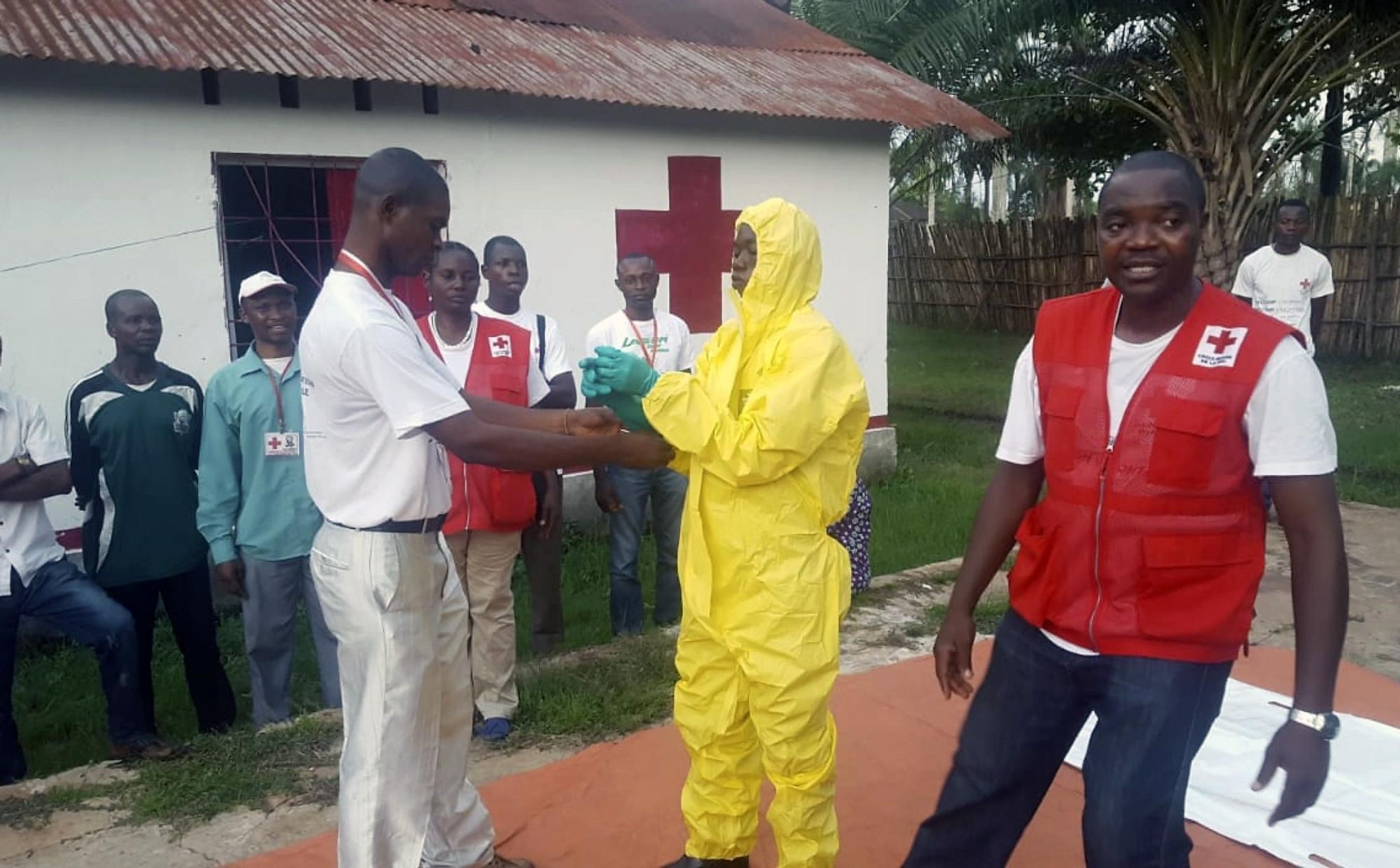
    Global responders are setting up mobile labs, isolating patients and tracking down contacts are risk of infection.

    “This is a vaccine that we believe can help us,” Dr. Ghebreyesus said. “But we will not just rely on the vaccine.”The CDC said it submitted the names of 12 people from its Atlanta headquarters to the Global Outbreak Alert and Response Network (GOARN), from which the WHO can draw personnel to support lab diagnostics, vaccinate “rings” of at-risk people and help local health workers protect themselves against infection.

    Logistics in the affected region are challenging, however, so responders on the ground will likely have to establish an aircraft link before drafting the CDC’s people. If that happens, WHO will pay for their activity through the response network.

    As it stands, the WHO is citing the swift response in declining to name the outbreak a public health emergency of international concern.

    To constitute such an emergency, it must be “serious, unusual or unexpected” situation that requires an international response to contain, and there must be a high risk of spread across borders.

    WHO said it could reconsider its determination if things worsen.

    It has warned nine neighboring countries to stiffen their defenses against Ebola — particularly the Central African Republic, the Republic of Congo and Angola, given river routes in the area.

    There are dozens of small ports along the Congo River, a major artery that flows from the affected area of DRC to its capital, Kinshasa, and Brazzaville, the capital of the Republic of Congo.

    “That, of course, has very significant traffic across very porous borders there,” Dr. Steffen said.

    Ebola is a serious illness that is transmitted to people from wild animals and spreads from human to human through the bodily fluids of people who exhibit symptoms. About half of those who contract Ebola die from it.

    WHO officials said they’re looking to avoid a repeat of the 2013-2016 outbreak that killed more than 11,000 people in West Africa.

    The organization, the public health arm of the U.N., was criticized for failing to react fast enough to that outbreak, before it spiraled out of control.

    Global responders quickly stamped out an Ebola outbreak in DRC last year, and front-line workers on the ground have been supportive during this latest round, according to WHO.

    Dr. Ghebreyesus said local officials in Bikoro were worried about WHO personnel who arrived. They thought they might catch Ebola, and didn’t expect the foreigners to be there.

    “We were really moved and touched, because they are not caring about their life — they were caring about our lives,” he said.

    Dr. Ghebreyesus praised the officials for being the ones on the front line.

    “We have to also share the risk,” he said.

  • First lady returns to White House after kidney treatment

    Melania Trump is back at the White House after an extended hospitalization for a kidney procedure.

    WASHINGTON (AP) — Melania Trump is back at the White House after an extended hospitalization for a kidney procedure.

    The White House says the first lady returned to the White House on Saturday morning. She had been at Walter Reed National Military Medical Center near Washington since having an embolization procedure Monday for an unspecified kidney condition that the White House said was benign.

    President Donald Trump visited his 48-year-old wife during several of the evenings that she was in the hospital.

    The first lady said Wednesday on Twitter that she was “feeling great.” She thanked the Walter Reed staff and her well-wishers, and added that she was looking forward to going home.

  • Opioid treatment gap in Medicare: methadone clinics

    One in three older Americans with Medicare drug coverage is prescribed opioid painkillers, but for those who develop a dangerous addiction there is one treatment Medicare won’t cover: methadone.

    One in three older Americans with Medicare drug coverage is prescribed opioid painkillers, but for those who develop a dangerous addiction there is one treatment Medicare won’t cover: methadone.

    Methadone is the oldest, and experts say, the most effective of the three approved medications used to treat opioid addiction. It eases cravings without an intense high, allowing patients to work with counselors to rebuild their lives.

    Federal money is flowing to states to open new methadone clinics through the 21st Century Cures Act, but despite the nation’s deepening opioid crisis, the Medicare drug program for the elderly covers methadone only when prescribed for pain.

    Joseph Purvis, a former heroin and prescription painkiller user, said he went into a depressive tailspin because he initially feared he might have to stop methadone treatment when he went on Medicare at 65.

    “I was terrified that I might have to leave the program. There’s no way I wanted to go back to addiction on the streets,” said Purvis, 66, of Gaithersburg, Maryland.

    Methadone doesn’t meet the requirement of Medicare’s Part D drug program because it can’t be dispensed in a retail pharmacy.

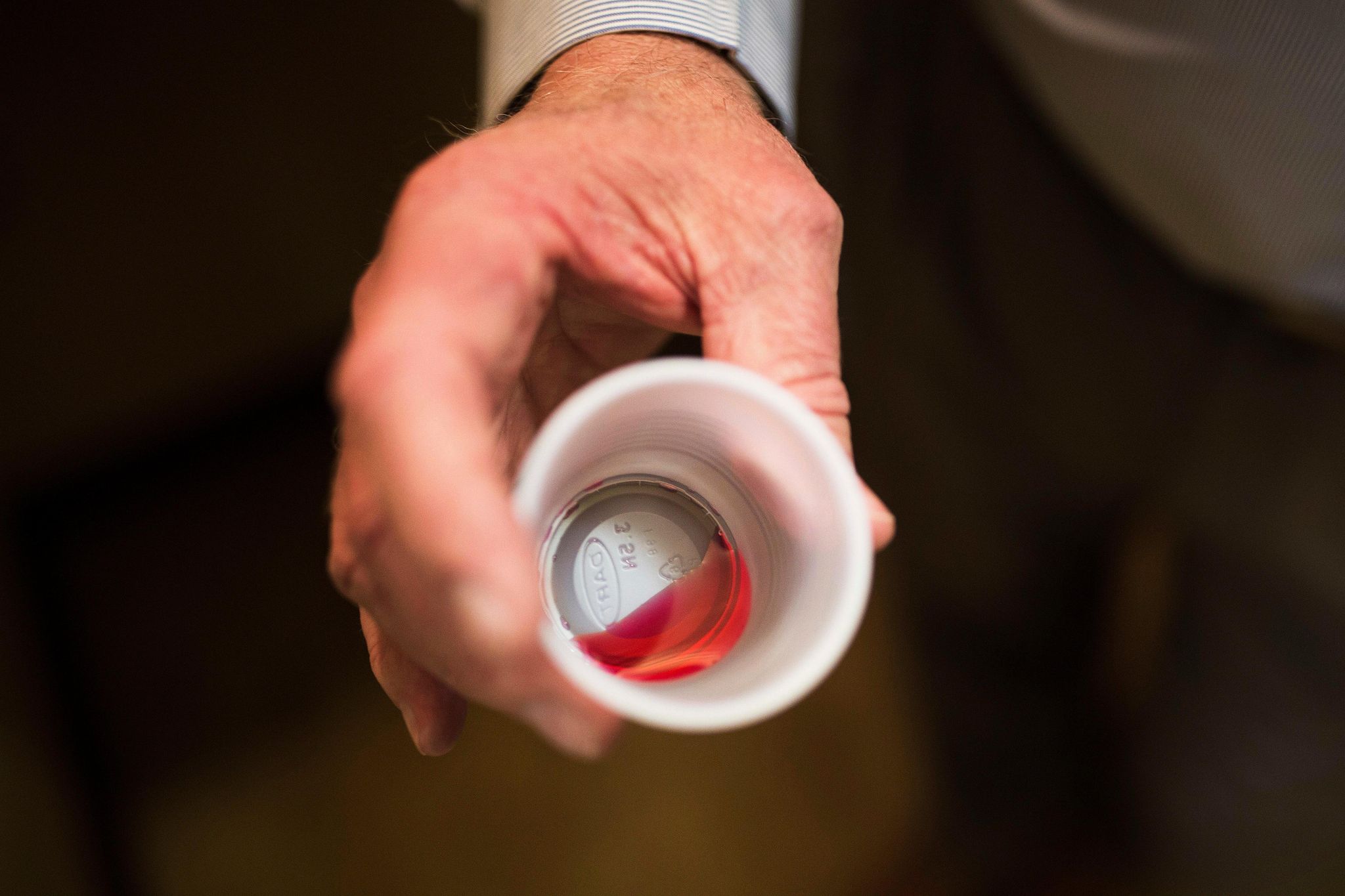
    Instead, in the highly regulated methadone system, patients first are assessed by a doctor, then show up daily at federally certified methadone clinics to take their doses of the pink liquid. Or, like Purvis in Maryland, they prove through repeated urine screens that they have earned the right to weekly take-home doses.

    In Congress, a Senate panel looking for ways to counter the opioid epidemic is considering allowing Medicare to cover methadone treatment. Legislation has been introduced in the House, and a White House commission on the opioid epidemic also recommended the change.

    The epidemic is “affecting all populations, including our seniors,” said Rep. George Holding, R-North Carolina, a sponsor of the House bill. “Medicare beneficiaries have among the highest and fastest growing rate of opioid use disorder, but they don’t currently have coverage for the most effective treatment.”

    An estimated 300,000 Medicare patients have been diagnosed with opioid addiction, and health officials estimate nearly 90,000 are at high risk for opioid misuse or overdose.

    Buprenorphine, a more expensive and slightly less regulated treatment drug, is covered by Medicare but few doctors who accept new Medicare patients have obtained federal waivers to prescribe it. A recent study of Medicare claims found prescriptions for buprenorphine for only 81,000 patients.

    More evidence that the crisis affects seniors: Opioid overdoses killed 1,354 Americans ages 65 and older in 2016, about 3 percent of the 42,000 opioid overdoses that year.

    Medicare’s policy means clinics often scramble to keep older patients in treatment if they’ve had commercial insurance that covered their care before turning 65, said counselor Angela Caldwell of Montgomery Recovery Services in Rockville, Maryland.

    A national organization for methadone clinics says the clinics now have 25,000 Medicare beneficiaries who are either paying out of pocket (about $80 per week) or getting care through state-run Medicaid or block grant programs.

    Mark Parrino, president of the American Association for the Treatment of Opioid Dependence, thinks more people would seek methadone treatment if Medicare covered it.

    Many older patients rely on surprisingly high doses of opioids for pain relief, which can turn into addiction, said Dr. Anna Lembke, an addiction specialist at Stanford University School of Medicine.

    One of her addiction patients, a woman in her mid-70s, was referred to her because her daily dose of opioids had climbed over the years to many times more potent than that of a typical heroin user, Lembke said.

    “She’s had a gradual development of tolerance over many decades and now is on an astronomical dose,” Lembke said. “If you took any random person and gave them (that much) they would die.”

    Lembke said she normally wouldn’t consider methadone for this patient because of the stigma associated with the clinics. But Medicare coverage might make them more acceptable, Lembke said, and her patient “might actually do better with methadone.”

    In Maryland, Purvis remained on methadone treatment because his income is low enough that he qualifies for the state-federal Medicaid insurance coverage for the poor and disabled. Medicaid covers methadone treatment in Maryland and about 35 other states.

    Purvis, who used heroin for more than a decade in his youth, later took opioids prescribed by specialists for back pain. After his pain doctor’s office was shut down for overprescribing, he started methadone treatment.

    “Some people think of methadone as a crutch for addiction but it’s not,” Purvis said. “It’s a tool that allows people to live a somewhat normal life.”

    ___

    AP writer Ricardo Alonso-Zaldivar in Washington contributed to this report.

    ___

    Follow AP Medical Writer Carla K. Johnson on Twitter: @CarlaKJohnson

    ___

    The Associated Press Health & Science Department receives support from the Howard Hughes Medical Institute’s Department of Science Education. The AP is solely responsible for all content.

  • FDA announces push to slash nicotine in cigarettes

    The Food and Drug Administration launched a historic effort Thursday to try to end cigarette addiction, proposing to slash the level of nicotine in smokes in an attempt to curb what remains a deadly p

    The Food and Drug Administration launched a historic effort Thursday to try to end cigarette addiction, proposing to slash the level of nicotine in smokes in an attempt to curb what remains a deadly public health issue.

    FDA Commissioner Scott Gottlieb said the proposal is part of a broader effort to cut smoking rates from 15 percent of Americans to about 1 percent by the end of the century. The plan calls for encouraging future generations to use safer products and for legacy smokers to quit or seek less-risky alternatives such as nicotine patches or candy.

    “We believe the public health benefits and the potential to save millions of lives, both in the near and long term, support this effort,” Dr. Gottlieb said.

    The effort is being launched after years of progress. Smoking rates have dropped from more than 40 percent in the 1960s to 15 percent after years of public education, clean air rules and excise taxes on tobacco products.

    Rates among high school students rose to 36 percent in the 1990s but sank to the midteens this decade.

    Tobacco use remains the leading cause of preventable death in the U.S., killing 480,000 per year, the FDA said. That is far above the rate of opioid overdose deaths, which reached 42,000 in 2016, prompting an emergency response from Washington.

    The agency’s push is based on rules Congress passed in 2009 giving the FDA explicit power to regulate the manufacture, distribution and marketing of tobacco products.

    Under that law, the FDA forced changes to packaging and pushed retailers to move tobacco products behind checkout counters.

    In this latest phase, regulators plan to examine the role flavors play in encouraging tobacco use and vowed to be vigilant about attempts to target children as future users.

    The agency also gave notice that it will propose rules to govern how much nicotine should be allowable in cigarettes, with an eye toward protecting public health.

    Cigarettes generally contain 1.1 to 1.7 milligrams of nicotine, the notice said. The FDA is considering cutting that to 0.3 to 0.5 milligrams.

    The FDA also wants to consider the trade-offs of reducing nicotine content, such as whether smokers would turn to illicitly imported products or simply smoke more cigarettes.

    It also must determine how nicotine levels should be reduced. Options include genetic engineering by tobacco growers and changes in manufacturing.

    The agency estimates that its framework can result in 8 million fewer tobacco-related deaths by 2100.

    “Cigarettes are the only legal consumer product that, when used as intended, will kill half of all long-term users,” Dr. Gottlieb said. “Given their combination of toxicity, addictiveness, prevalence and effect on nonusers, it’s clear that to maximize the possible public health benefits of our regulation, we must focus our efforts on the death and disease caused by addiction to combustible cigarettes.”

    The Campaign for Tobacco-Free Kids urged the FDA to act expeditiously and demanded enhanced, more graphic health warnings on cigarette packs.

    “There is no other single action our country can take that would prevent more young people from smoking or save more lives,” campaign President Matthew L. Myers said. “This is truly a once-in-a-lifetime opportunity to greatly accelerate progress in reducing tobacco use — the nation’s No. 1 cause of preventable death — and bring us closer to eliminating the death and disease it causes.”

    The American Lung Association hailed the move as an “important step forward.” Leading tobacco companies responded with restraint, saying they anticipated the move and would be a part of the discussion.

    “As this process gets underway, we look forward to working with FDA on its science-based review of nicotine levels in cigarettes and to build on the opportunity of establishing a regulatory framework that is based on tobacco harm reduction and recognizes the continuum of risk,” said James Figlar, executive vice president of research and development for R.J. Reynolds Tobacco Co.

    Dr. Gottlieb said he hopes existing smokers shift from traditional cigarettes to less-dangerous products containing nicotine, though he stopped short of endorsing electronic cigarettes, which the FDA is still evaluating.

    “The jury’s still out on the value of those products as alternatives to combustible tobacco,” Dr. Gottlieb said.

    The agency said it does not know how long its nicotine-slashing effort will take but that it has no immediate effect on products in the pipeline or are sitting on shelves now.

    Altria Group Inc., the parent company of Philip Morris USA, said it is pleased that the FDA noted the distinction between regular cigarettes and noncombustible products. It cited an FDA study that said more than half of the roughly 40 million adult smokers in the U.S. are interested in “satisfying, but less harmful, nicotine alternatives to cigarettes.”

    “That’s why we invest in developing a compelling portfolio of noncombustible products, while conducting the necessary science to bring them to market,” spokesman David Sutton said. “A portfolio approach is important because we know that not all smokers are looking for the same experience.”